Hi, and welcome to my blog, where I unpack my life as a photographer, writer, podcast host, and much, much more. Apologies for the delay in getting blog updates out in recent weeks. To be honest, I’ve been in a mixed headspace lately. I’ve endured more than my share of down days lately. There’s a lot going on here at the family compound, and much more going on in my head. I’ve never been shy when talking about my mental health. I’ve had a long and complicated history with mental health and my own well-being. I was around 13 when I first deduced that I was suffering from depression, and that realisation was the first step in self-awareness. It didn’t make the journey easier, but I knew what was going on. Skip forward a few decades, and my mental health awareness is something that I have developed and honed over the course of my life. Self-awareness is a major part of understanding and managing both poor and good mental health. The kind of support and even language we use today to openly discuss better mental health was not a thing in my youth. Back then, I struggled to express what I was feeling and going through, and this continued right up until my early twenties. Years later, I would also come to the realisation that my (past) excessive drinking was a form of self-medication and a coping or masking mechanism for my depression and anxiety. It was at this time that I first sought professional psychiatric help to deal with my mental health and resulting drinking problem. And so, at around the age of 30, I started therapy and stopped drinking. Well done, me.
A decade later, just shy of my fortieth birthday, my partner of 18 years, and mother to our two biological children (and countless foster children), was unceremoniously defeated by a very aggressive and ruthless cancer. Isobel’s death, only a handful of months after her devastating diagnosis, broke me. Not neatly in half as some may describe the loss of a life-partner. I can only best describe the experience as breaking me into countless jagged pieces of my former self. None of them seemed to fit back together anymore. And no matter how hard I tried to jam those pieces back together, there was always a deep dark hole that no piece fit within. For a while there, I believe I was losing my sanity. After her death, I committed my life to raising and supporting our children through an experience no young person should ever have to endure. They had their own broken lives to sift through, and together we bunkered down and slipped very quickly into survival mode. Unfortunately, it wasn’t long before I began drinking again, followed by several years of alcoholism and an utter lack of self-care and concern for my own wellbeing. I’m not proud of taking up drinking again, and it would be fair to criticise me for such behaviour. Especially from a newly widowed parent with responsibility for the safety and wellbeing of our children. I’ve certainly hated myself enough for it. But, as I said, I was broken, and nothing made sense anymore. All I knew was the pressure of parental responsibility and an aching cavity where my partner once nestled.

Once again, six years after Isobel’s death, I overcame the call and lure of the falsehoods that alcohol promised. It wasn’t helping, and it was beginning to make me quite unwell physically. And so once again I sought help and stopped drinking before my liver was beyond repair. Today, I am still sober and free of my alcoholism with a healthy appreciation of why I drank and why I stopped. And why I can never seek it out again. Drinking is no longer a safe or effective solution to my mental health challenges. Truth be told, it never was. These days, I have the support of an incredible and understanding partner, a Brady-Bunch-esque family, and amazing friends. Plus, I have a bunch of meds to help with the nuts and bolts of my mental health. But from time to time, big events, change, and even lingering imposter syndrome slip through the cracks. And it’s times like these, like the past month or two, where the idea of going out to shoot street photography feels impossible. I am a big believer in the impacts of seasonal depression, and in the midst of winter is when I struggle most. Again, it’s part of that self-awareness I was referring to earlier. I get this way every year at around the same time. It impacts my desire to head out and hunt the light just as much as it leaves me without the desire to write here on my blog.
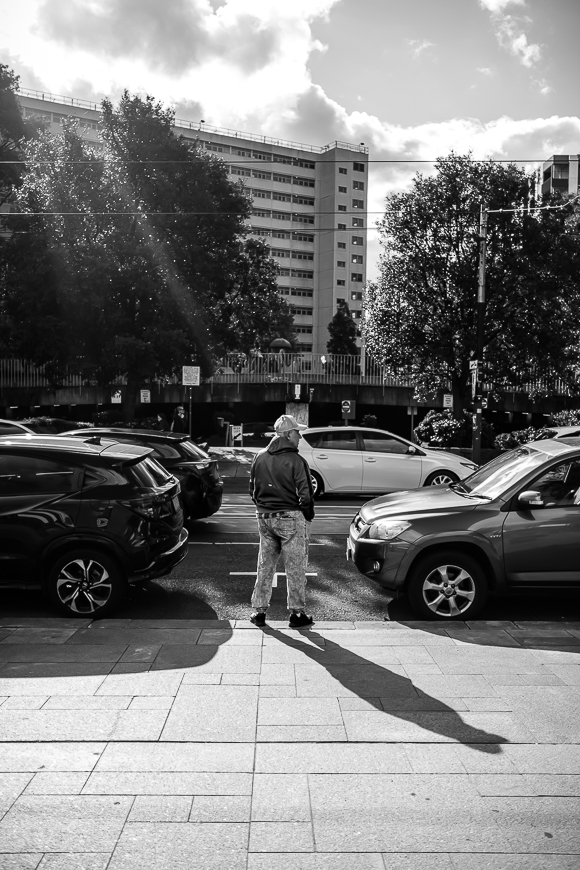
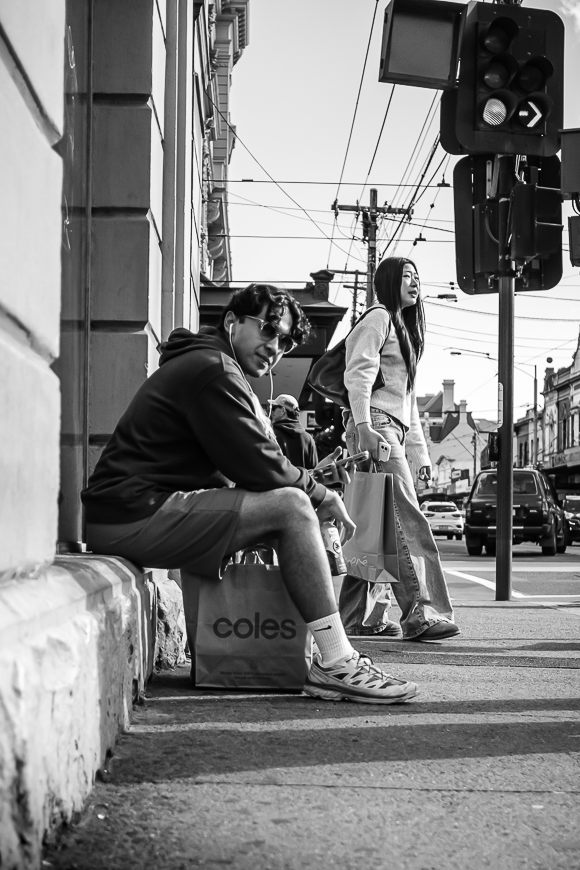
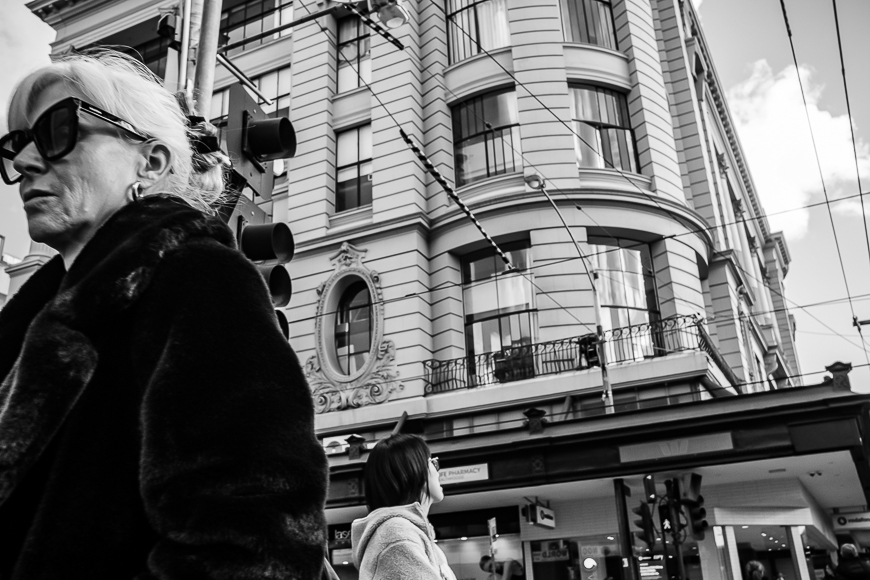
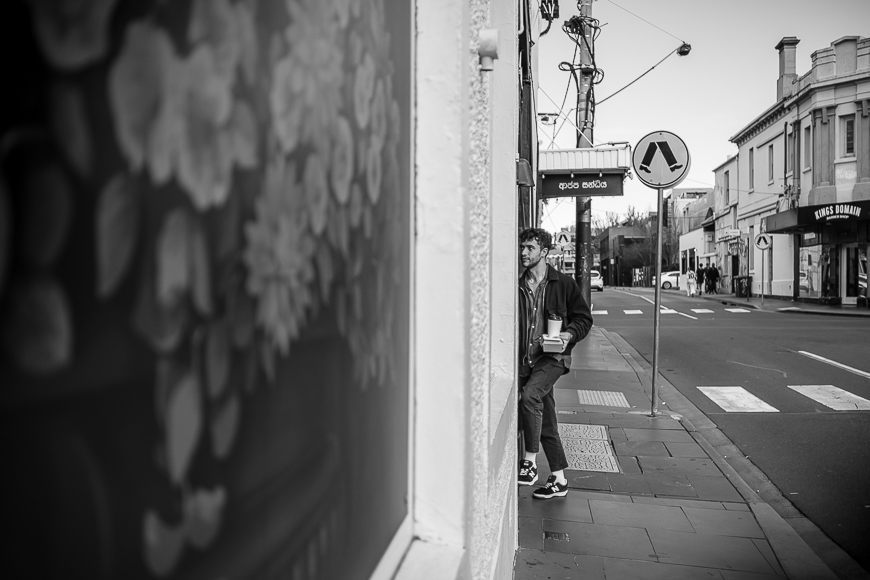
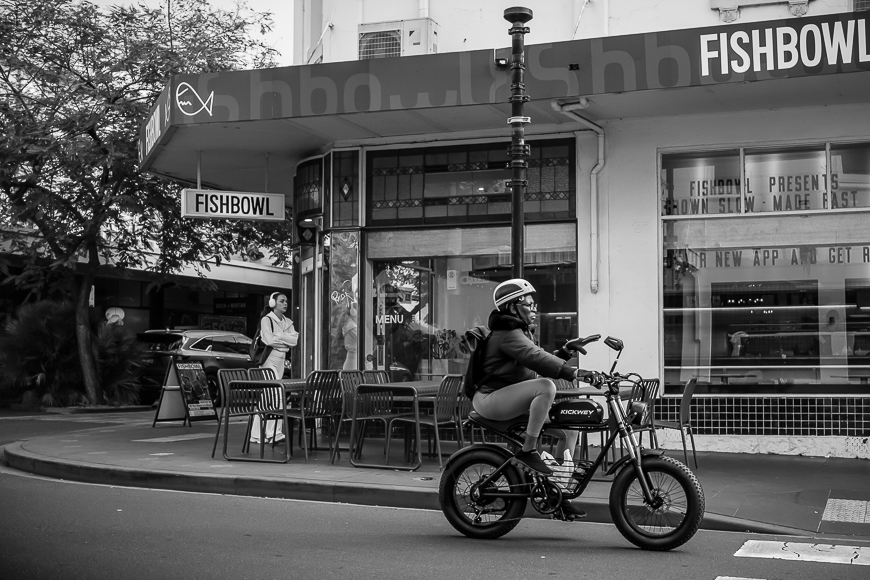
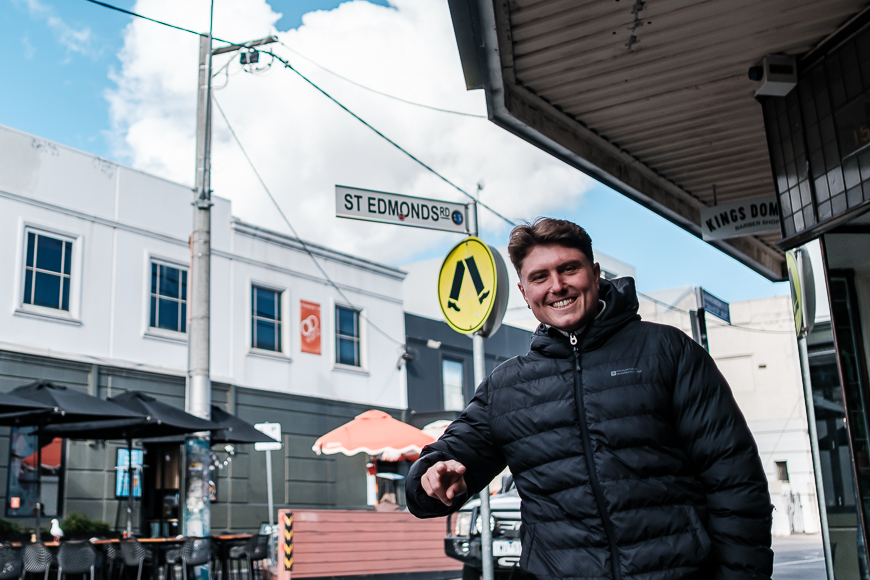
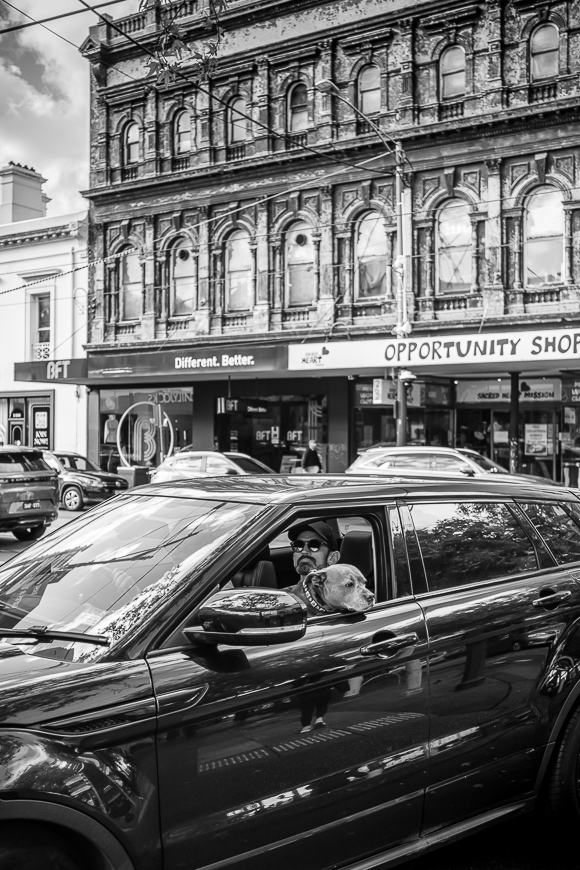
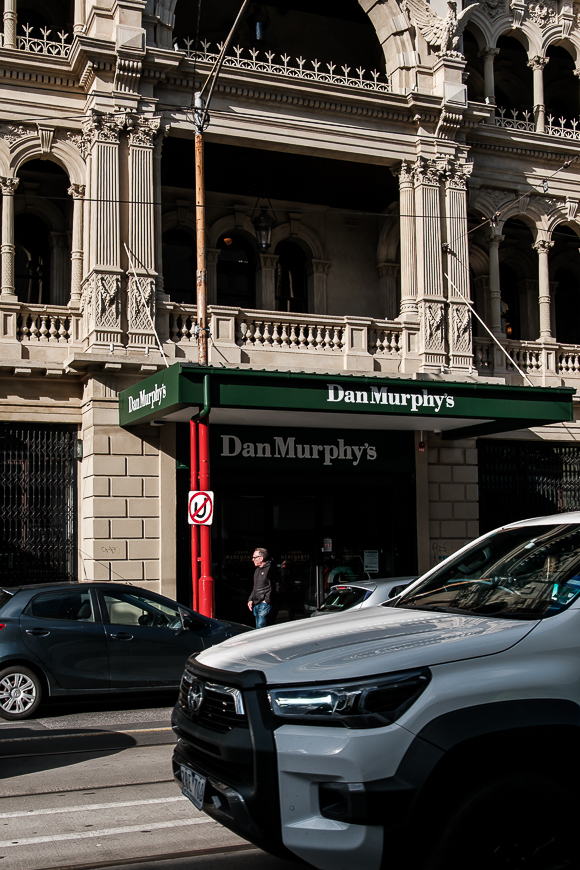
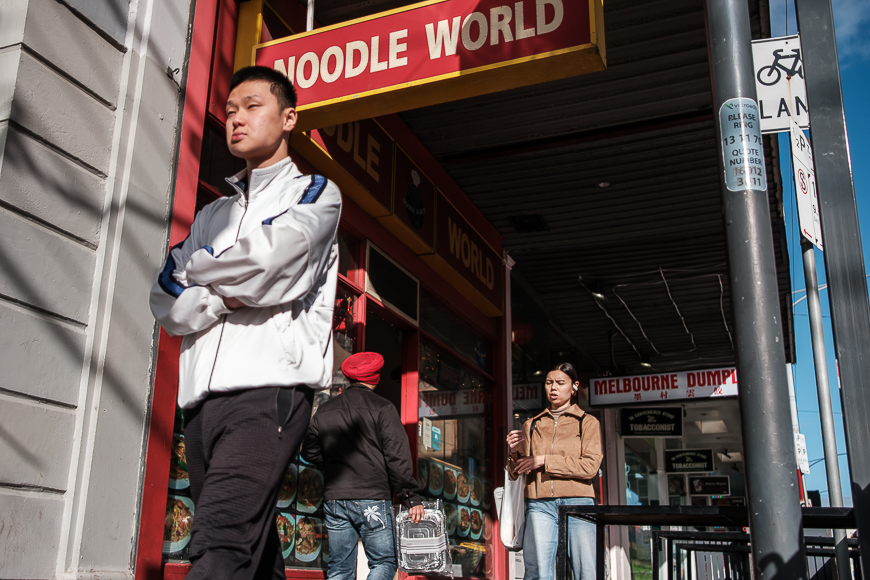
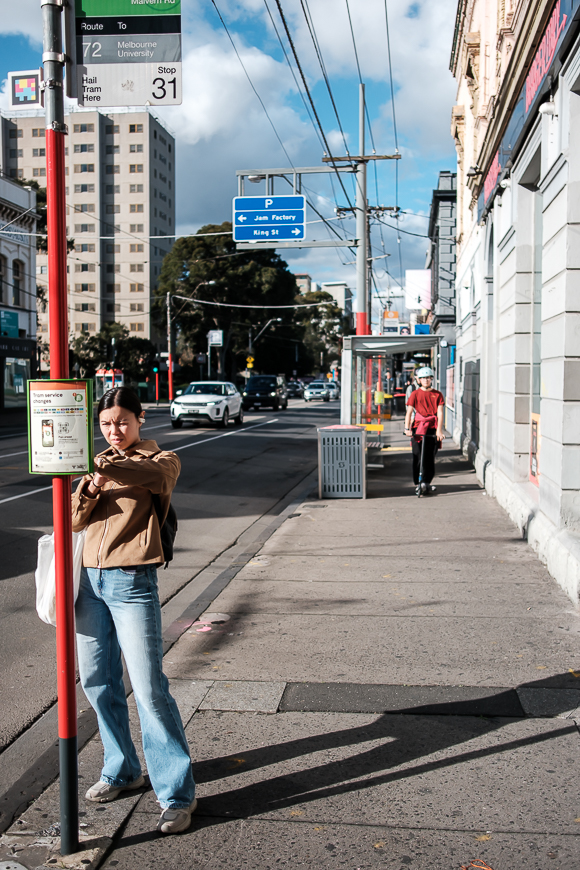
It’s a fascinating state of mind to find oneself in. On the one hand, I don’t feel like getting out and about to take photos. It’s cold, drab, and muted out. On the other hand, I know that a walk and a mindful activity like photography are exactly what my mind needs. Breaking out of a funk demands creativity and mindfulness. I have often said that finding photography again after Isobel died probably saved me from myself. It gave me new purpose and a mindful way to navigate the world after all I had lost. It gave me permission to leave home once in a while and see that life and love went on despite my broken heart and mind. It also allowed me to connect with a like-minded community and find peace amongst new friends. And it taught me that I can write and tell stories with words and images. So, with great effort and willfulness, I denied my brain’s desire to rot on the couch or just spend the day in bed. I forced myself out into the light with a camera in hand and dared myself not to get a buzz from the experience. All it took was one outing hunting the light around my local neighbourhood, and my mind was already reaping the rewards of improved mental health. I pushed myself out the door numerous times in the past couple of weeks seeking light and the opportunity to document the world around me. And of course, the more I pushed, the more I enjoyed the inevitability of changing my brain chemistry one step, one photo, one experience at a time.
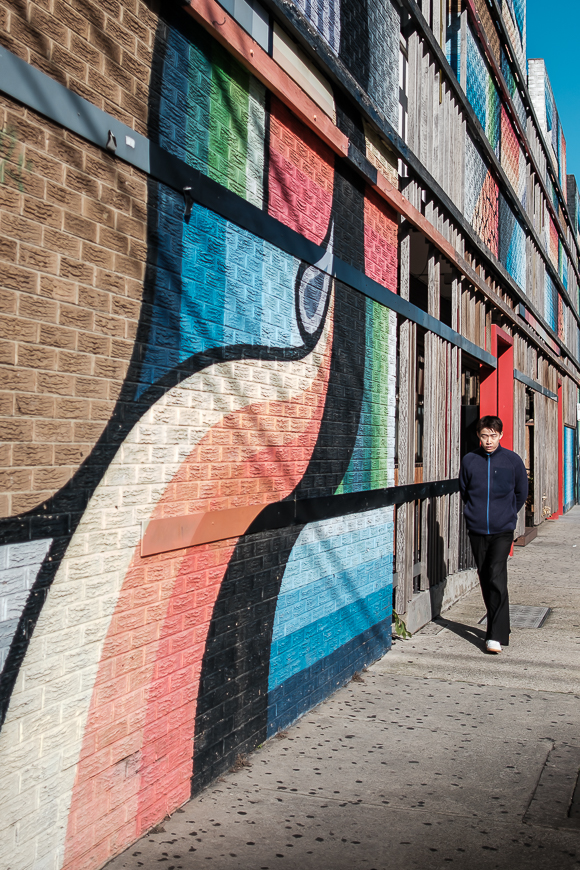
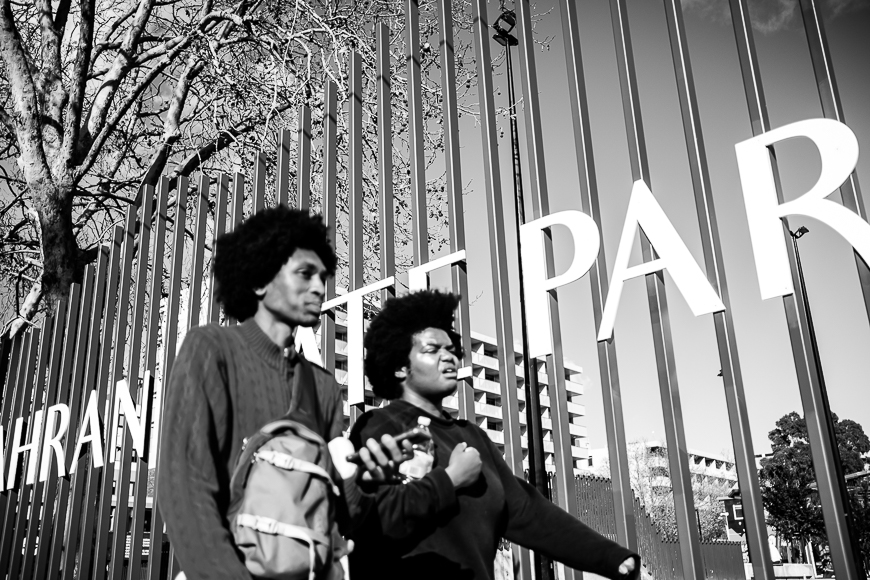

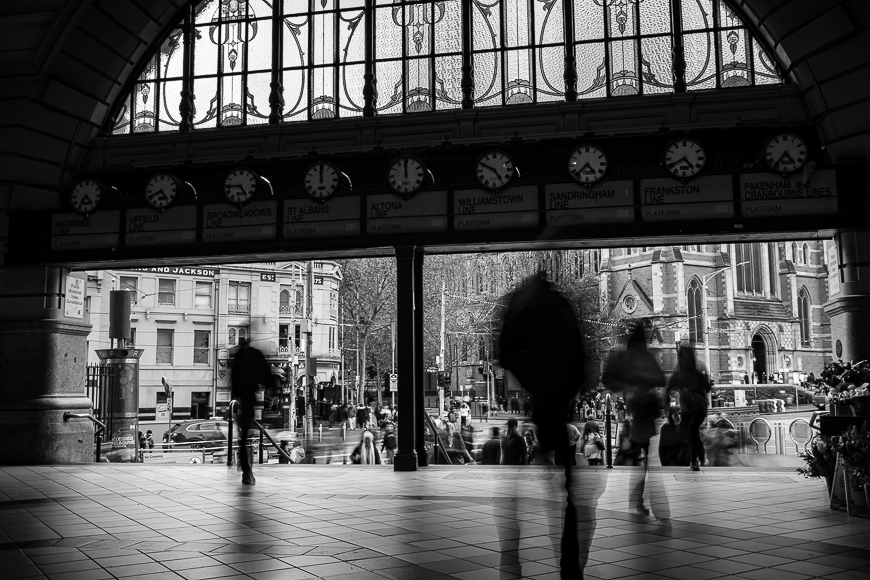
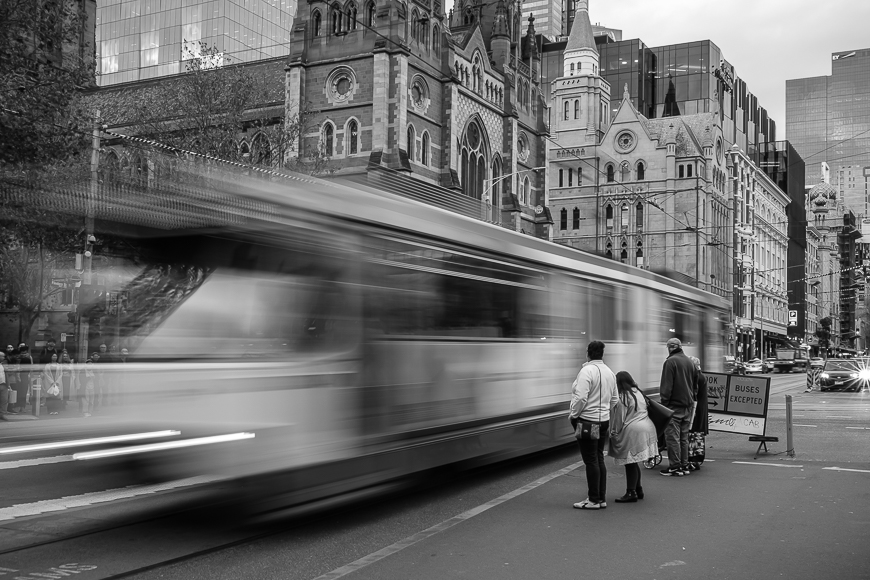
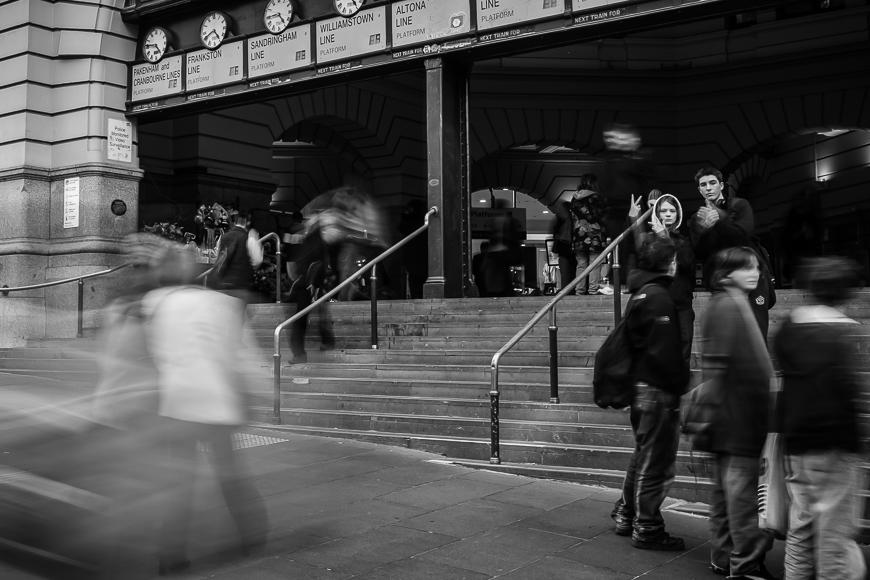

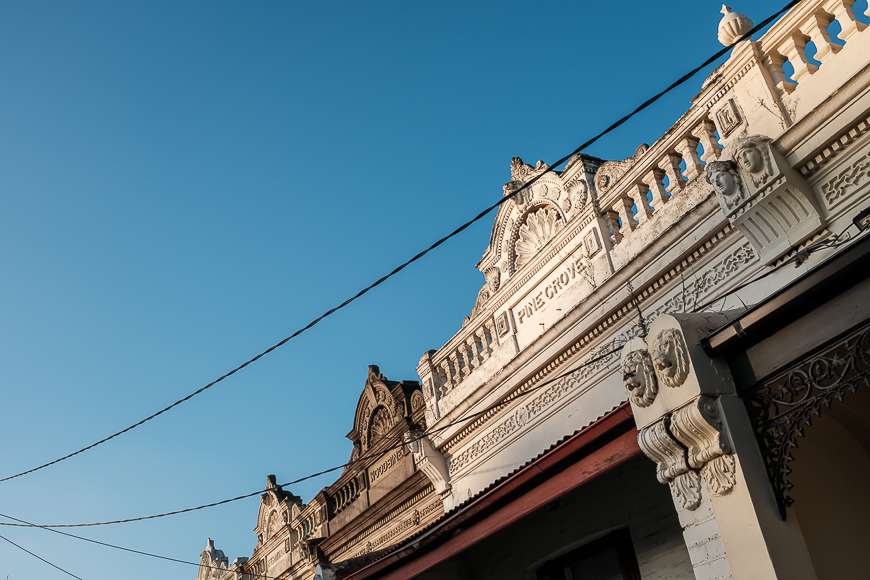
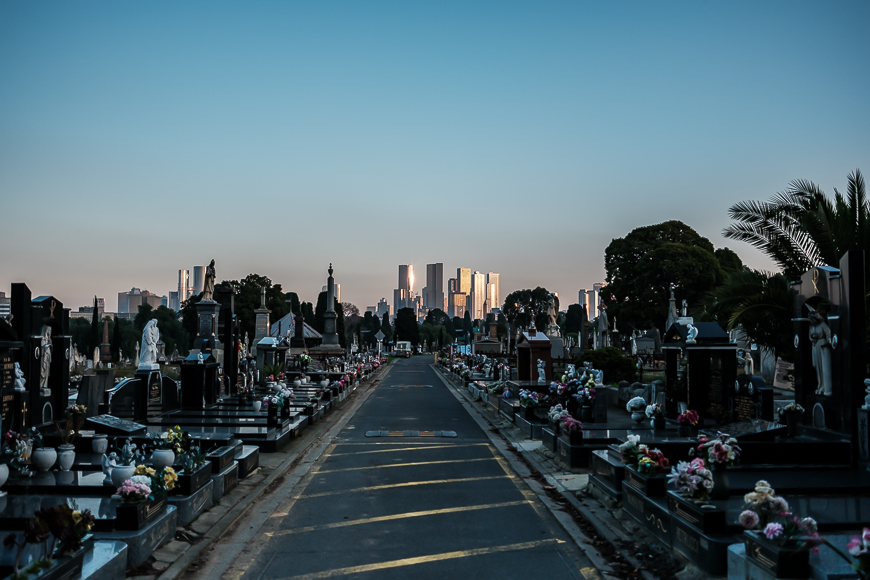
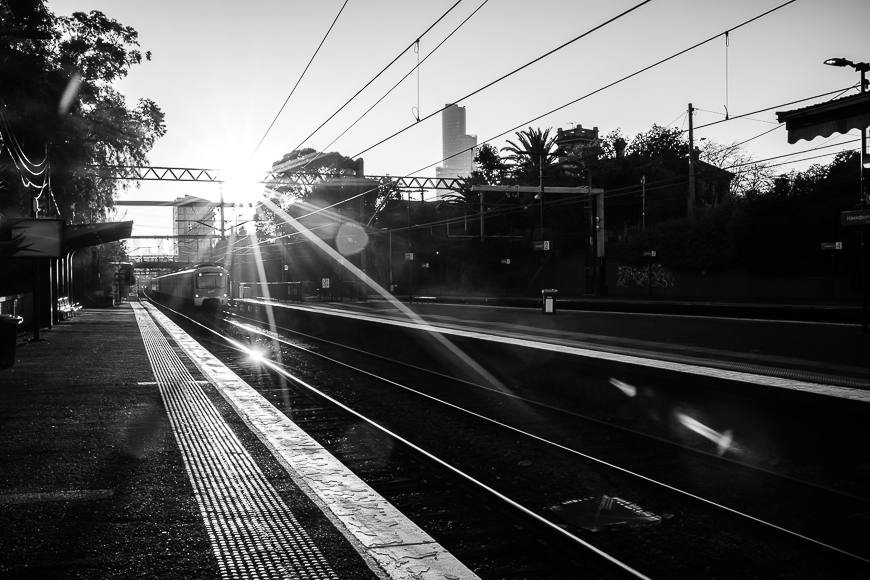
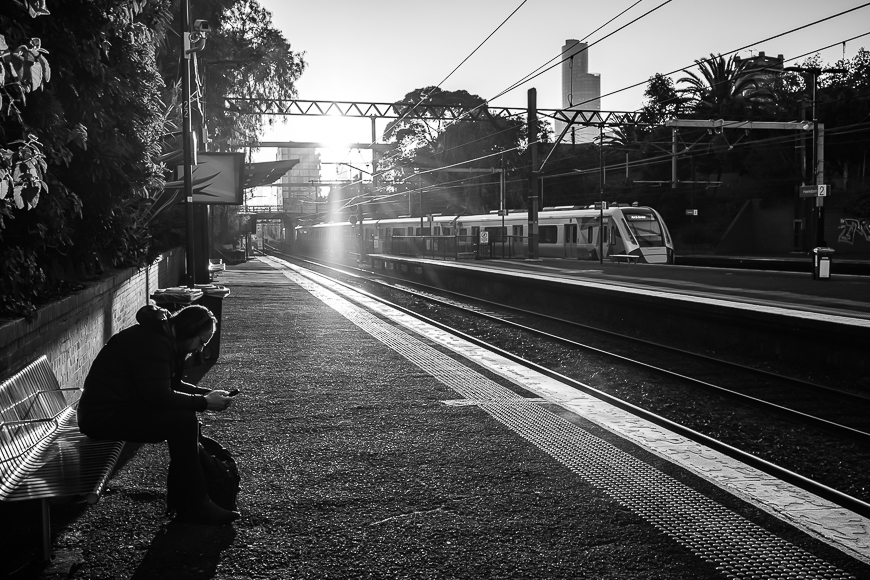
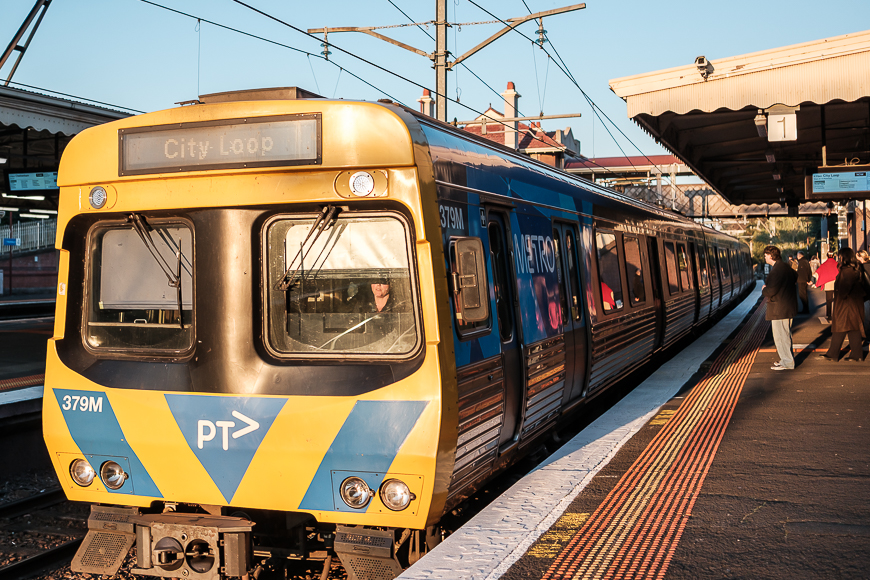
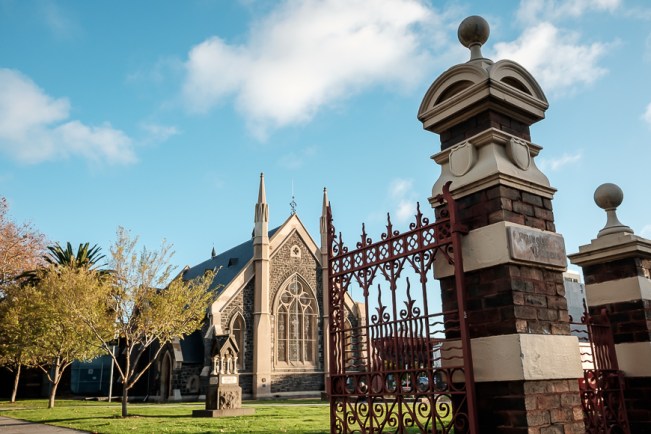
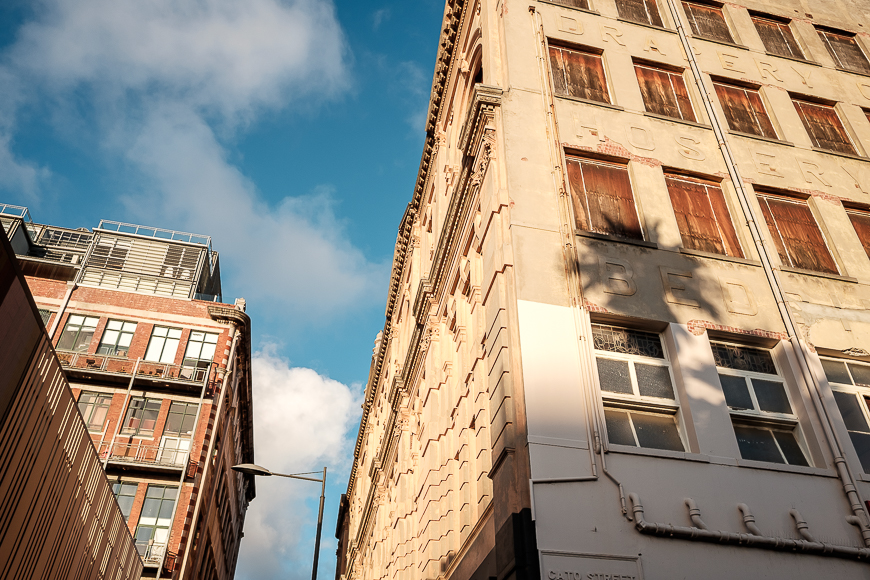
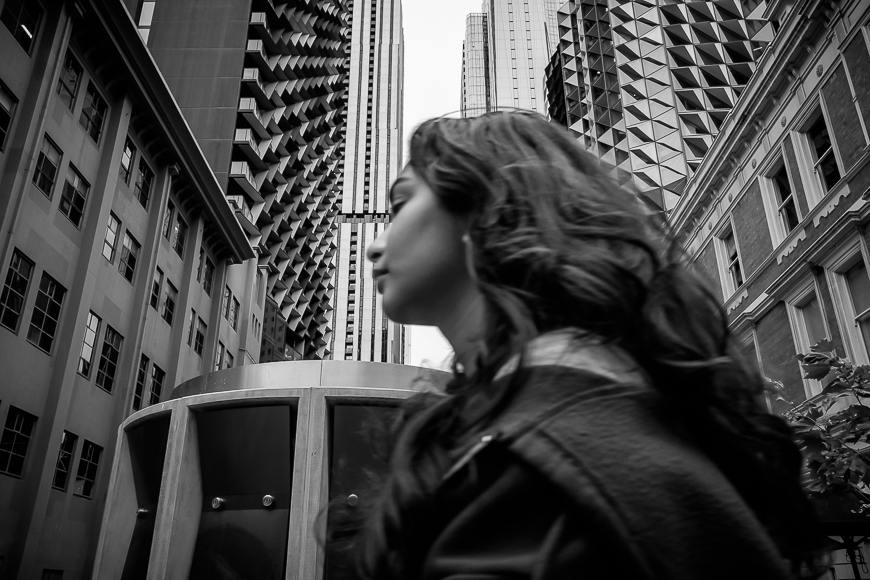
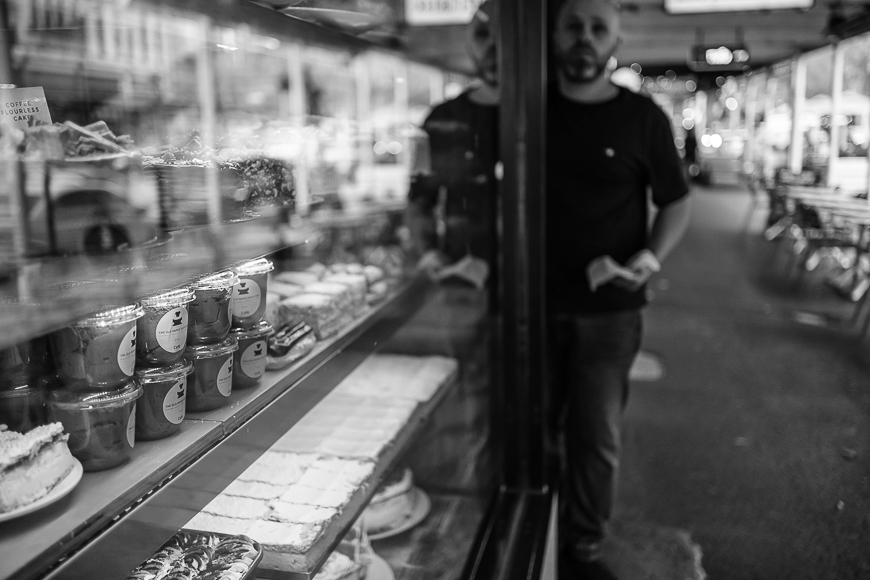
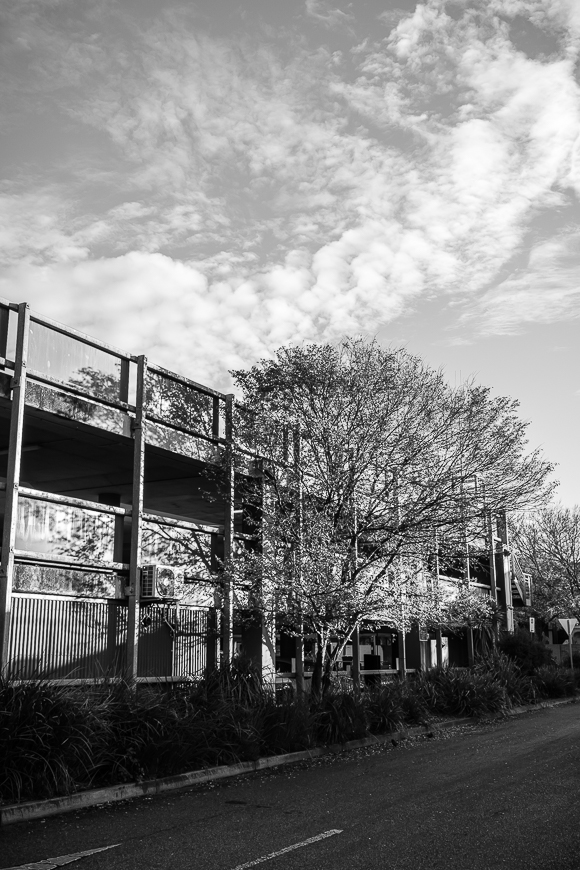
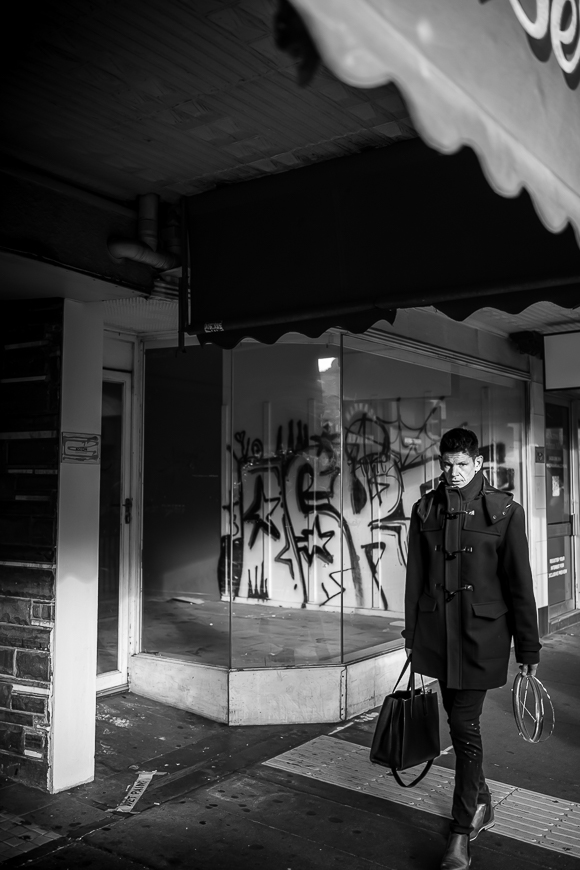
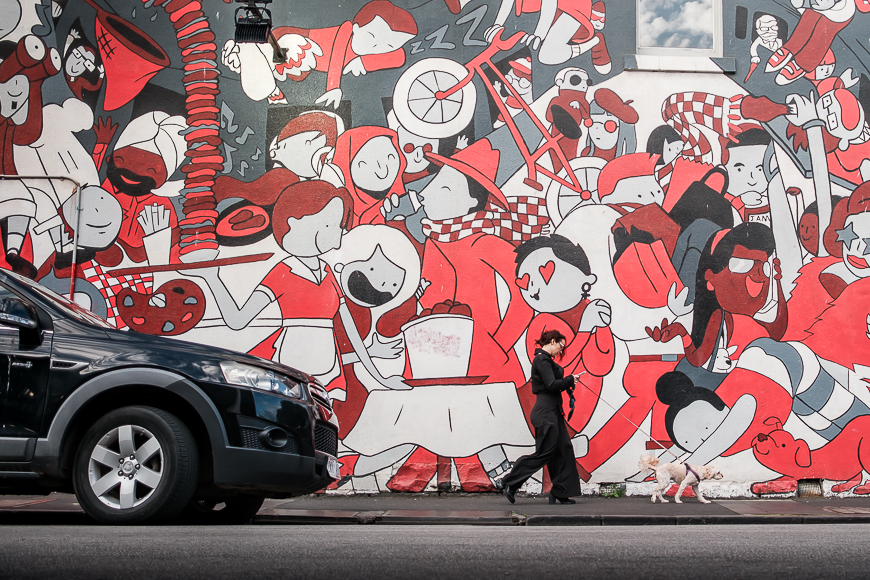
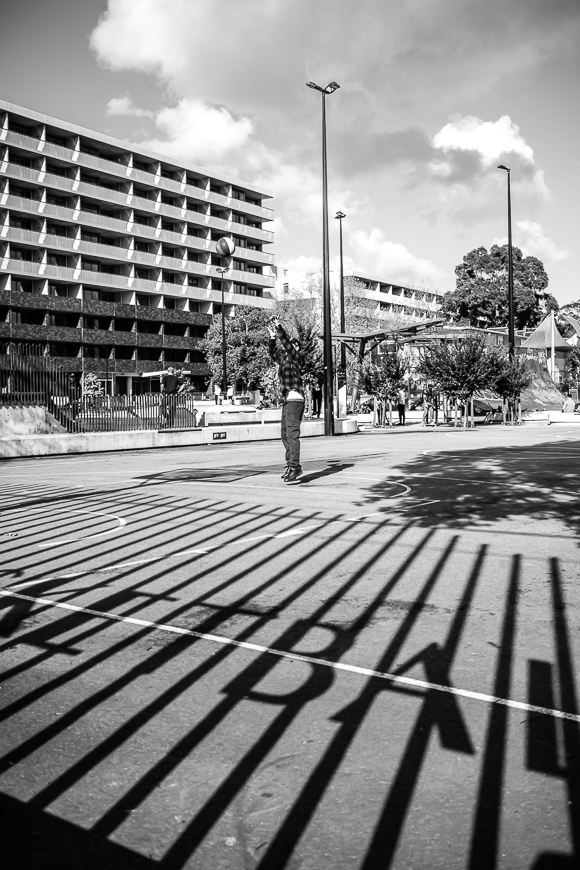
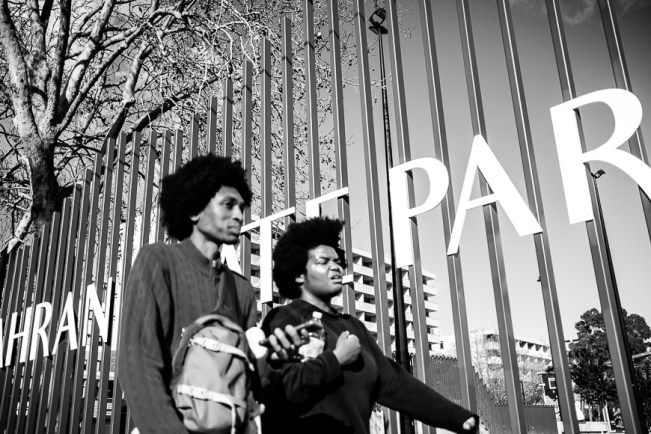
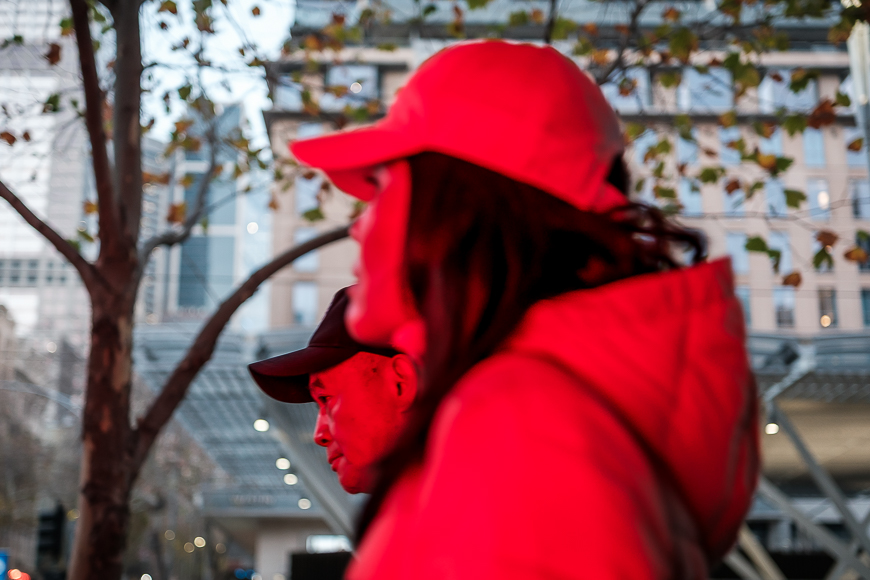
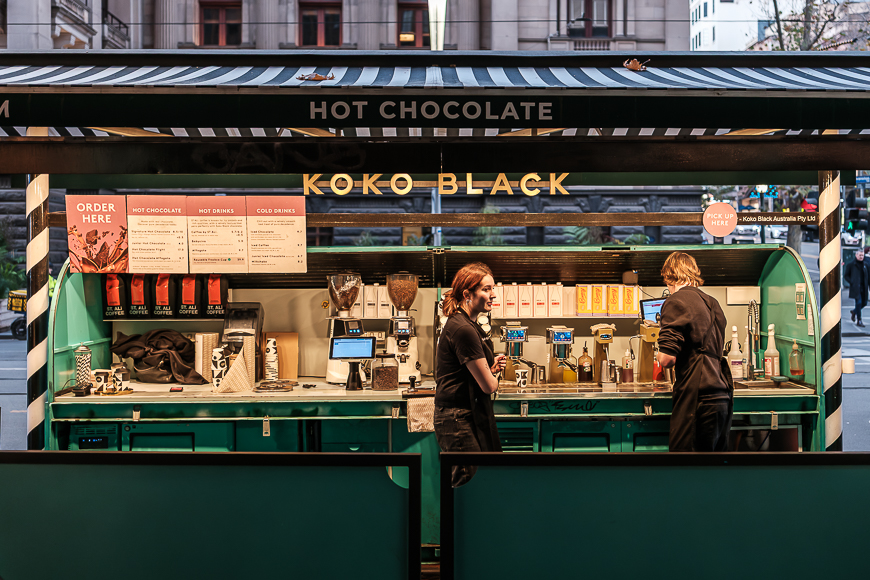
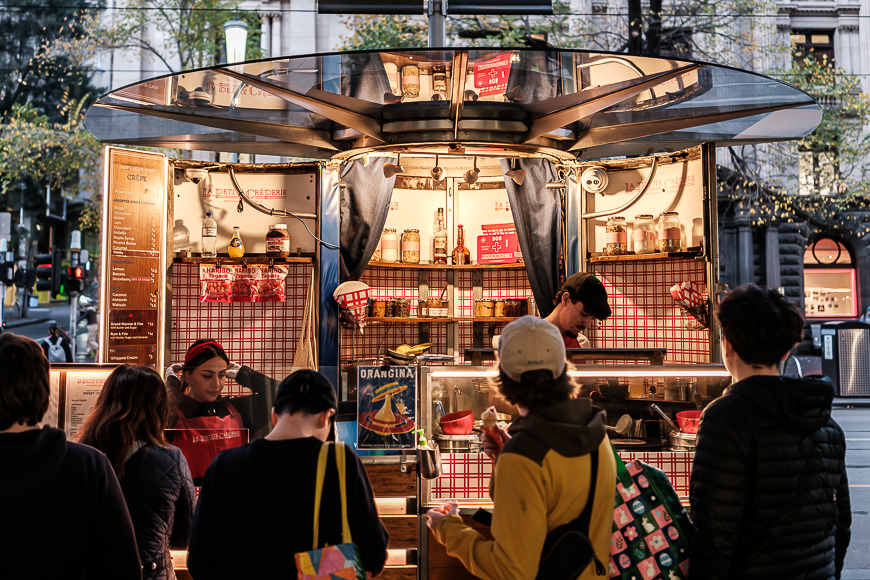
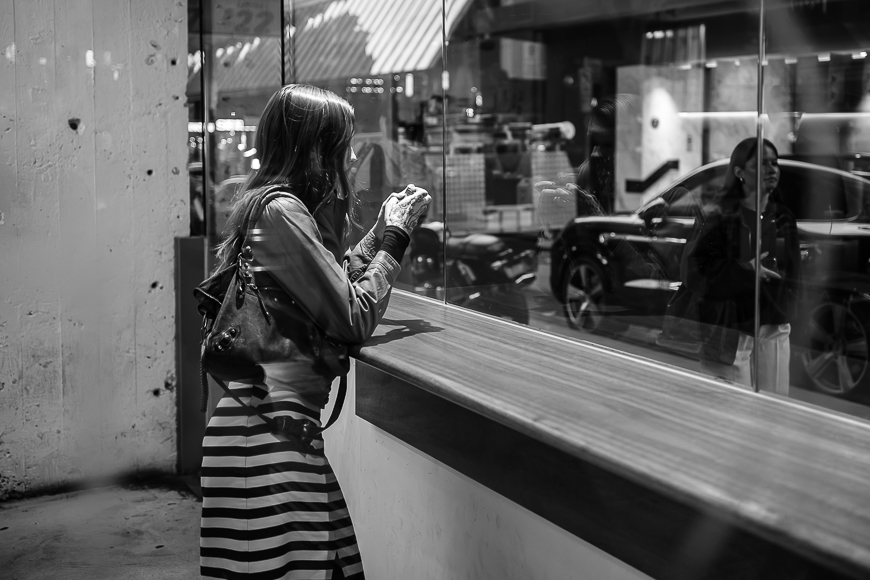
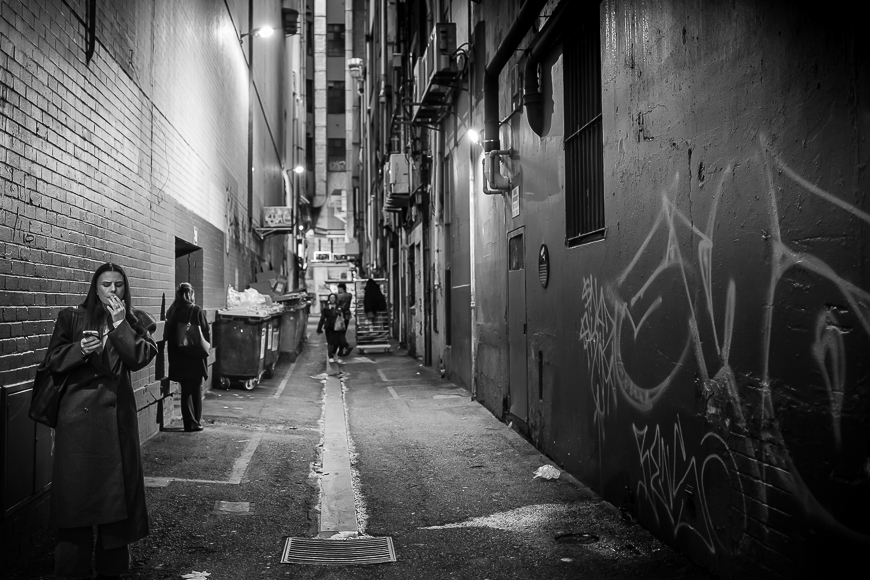
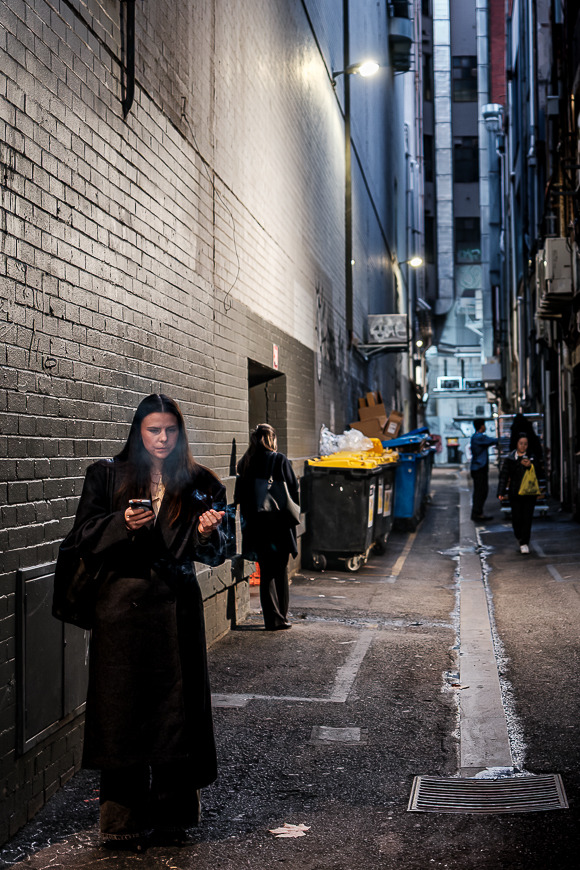
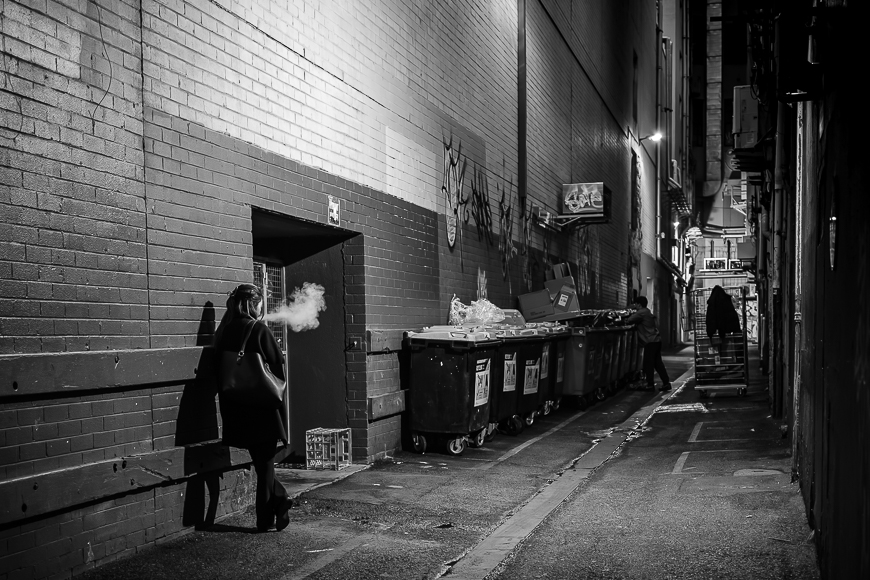
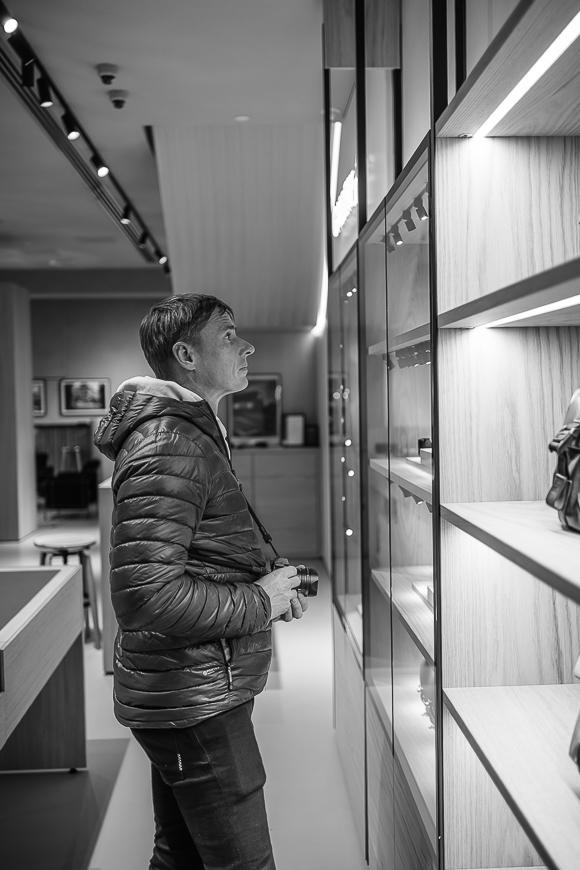
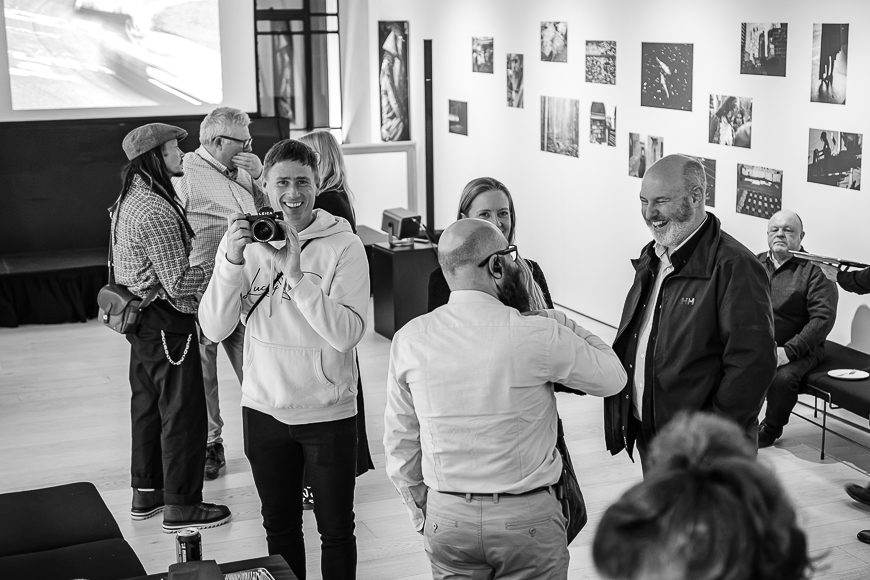
I can’t speak for anyone else’s experience and mental health journey. But I know a lot of folks in my community who credit photography with improving their mental wellbeing, or that of a loved one. From my experience, the mindfulness and creative reward of photography are excellent mood stabilisers. Of course, if you are really struggling with something, it’s always advisable to seek support from your local doctor or healthcare provider. More often than not, poor mental health requires more than one solution to achieve better outcomes. There is no magic pill, and there is no one therapy session to resolve all. All the images in this article are from those recent outings when I didn’t want to leave the house but pushed myself out the door to hunt light. I put one foot in front of the reluctant other and switched on my photographer’s eye. My depression, anxiety, and poor self-esteem were hushed and replaced by a level of positive mindfulness that only a creative pursuit like photography could produce. The more I pushed myself out the door, the easier it became. And so it becomes even more apparent that photography continues to save me from myself even on some of my darkest days. Be safe. G
If you or a loved one is in need of mental health support, hit up your local government support services. For those of you in Australia, the government’s Health Direct site hosts essential information, advice, and contact information for the broad array of dedicated service providers.
Lifeline provides 24-hour crisis counselling, support groups and suicide prevention services. Call 13 11 14, text 0477 13 11 14 or chat online.
Suicide Call Back Service provides 24/7 support if you or someone you know is feeling suicidal. Call 1300 659 467.
Beyond Blue aims to increase awareness of depression and anxiety and reduce stigma. If you or a loved one needs help, you can call 1300 22 4636, 24/7 or chat online.



9 Responses to Out And About: Maintaining My Mental Health
Greg , I have been privileged to hear you story once before , very brave and inspiring .
I really hope to spend more time with you either on walks or just listening and reading .
All the best
Robin Tully
LikeLike
Hey Robin. Thanks so much – that means a great deal to me. Perhaps it’s time we organise a walk with MCC.Be safe, my friend. G
LikeLike
Hi Greg
I have had the privilige of hearing your story before , brave and inspiring .
I hope to spend more time in your company either on walks or just listening and reading.
All the best
Robin Tully
LikeLike
It takes real courage to write something so personal, and I imagine it’ll be hard for anyone reading who’s been through similar dark stretches.
You’ve honestly traced your whole arc: the drinking, the relapse, the self-awareness that took decades to build. That’s not a tidy redemption story, and you didn’t try to make it one. I really respect that.
Forcing yourself out the door despite every instinct pulling you towards the couch matters more than any amount of planning or intention ever does. Sending strength your way, and genuinely glad the camera keeps pulling you back outside, one photo at a time.
Peace.
LikeLiked by 1 person
Thanks so much Khurt. It means a great deal for someone to highlight that. Be safe. G
LikeLike
Wonderful photos Greg, you see things others no doubt miss. Thanks for your openness with your story too – I agree that taking that first step out the door can be the biggest one…
PC
LikeLiked by 1 person
Thanks so much mate. G
LikeLike
great article and insight . You are really making a difference mate – go you🐸
LikeLiked by 1 person
Thanks Dave. Having a community with folks like in it makes a lot of difference too. Please send my love to Mrs Bush! G.
LikeLike