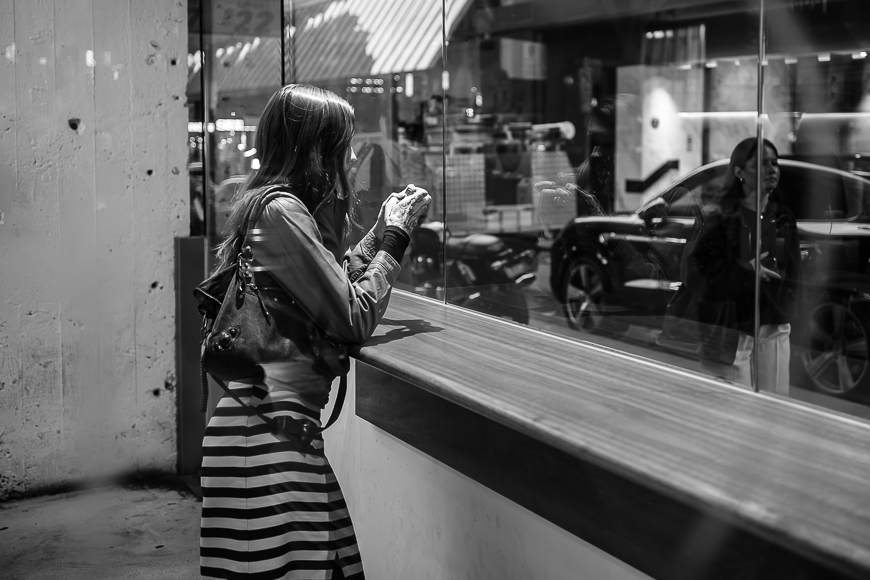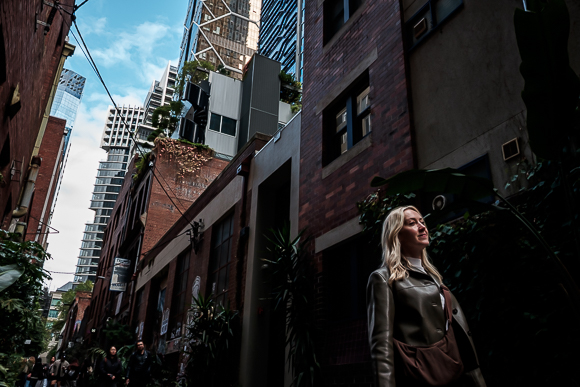
In my Street Level Photography Workshops & Tours, I cover the basics (and a few advanced tips) for getting started in street photography and making the most of hunting for light in one of the world’s most amazing cities. Plus, you’ll be guided around the streets of Melbourne by an experienced local street photographer. I’ve been shooting street photography for well over a decade, documenting my hometown of Melbourne and its edgy inner suburbs. I’ve also thoroughly enjoyed street photography while on vacation here in Australia and abroad on my journeys to Japan.
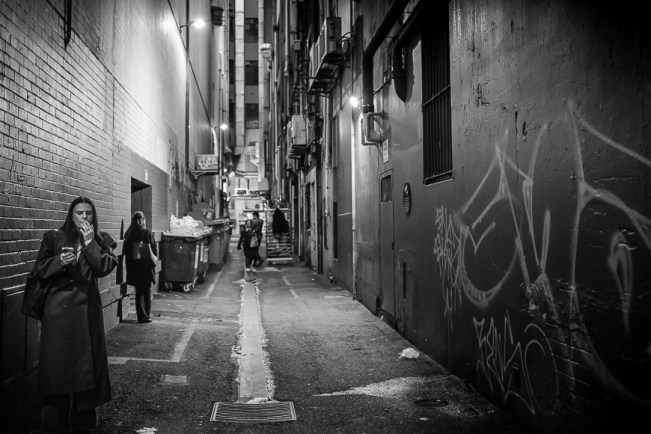
Melbourne is a truly cosmopolitan city brimming with a diverse cultural smorgasbord, covering everything from our architecture and sporting prowess to fashion and the arts. What’s more, there’s always something happening in Melbourne. From food and wine festivals to creative art experiences, they can be found at countless locations throughout the city. Melbourne always feels alive, and it’s an incredible city to explore and photograph. Regardless of whether you’re here on holiday or a Melbourne local, you’ll discover Melbourne’s diverse beauty with Street Level Photography Workshops & Tours.
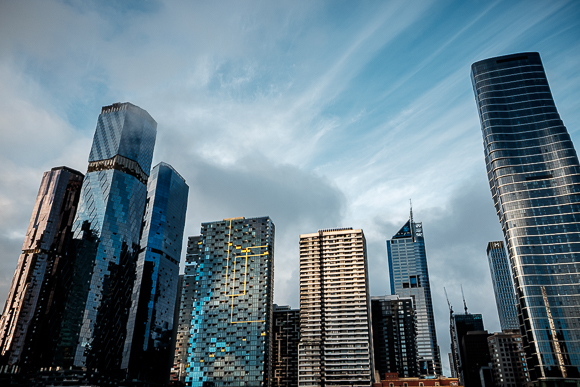
For me, street photography is about documenting the urban experience and making meaningful observations of light, time, and the ways people interact with the world around them. That world is ever-changing, yet photography freezes moments in time that will never be repeated and all too often forgotten. Join me on a guided street photography tour and learn core photography skills, including camera setup and use, reliable camera settings, compositional frameworks, and how to break all the rules for unique outcomes.
Required Camera Gear
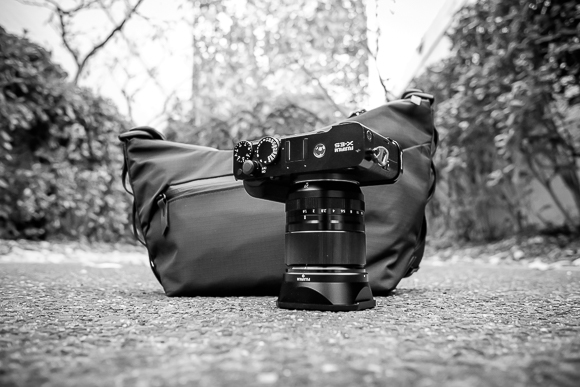
- Any camera and lens will do! Compact point-and-shoot, DSLR or digital mirrorless, or make the most of your smartphone camera.
- A DSLR or mirrorless digital camera and a prime or zoom lens with a focal range between 24mm and 70mm (full-frame equivalent). For example, I shoot with an APS-C digital mirrorless camera and a 35mm (full-frame equivalent) prime lens.
- A reliable wrist, neck or shoulder strap – you want your camera handy at all times.
- Compact camera bag with spare batteries, memory cards, and personal items.
- If you are joining a workshop as a smartphone photographer, ensure your phone is fully charged and consider bringing a power bank and a charging cord to suit your phone.
In the Street Level Photography Workshops & Tours, we focus less on the gear and more on the light, composition, and storytelling. Street photography is best undertaken with minimal gear – one camera and one lens. Fewer gear choices mean you will have a more mindful and connected experience. Here’s what you should bring:
- Comfortable walking shoes.
- Seasonal weather protection (Jackets, gloves, hats, sun protection, etc).
- Water bottle for hydration.
- Victorian Public Transport Myki.
Melbourne is known for its four seasons in one day – Crowded House even wrote a song about it! Please check the local weather forecast before attending the workshop and dress for the anticipated conditions. Melbourne’s summers can be blistering hot and humid, while its winters are windy and chilly. Be sure to consider:
What You Don’t Need To Bring:
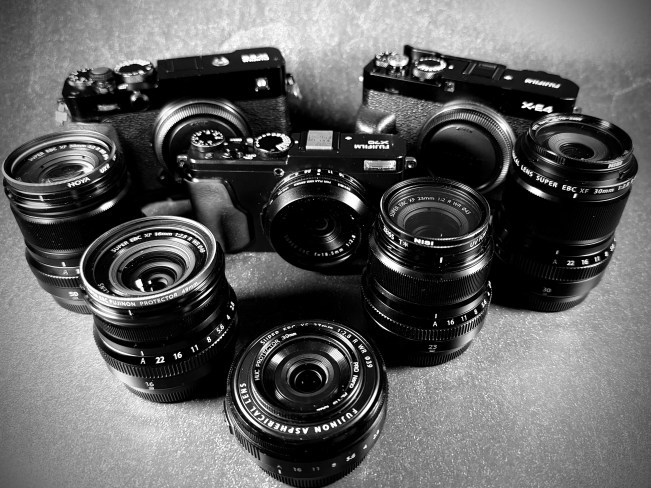
- A bag full of heavy lenses for those “just in case I need it” moments.
- Multiple camera bodies – one is all you need.
- Tripods, monopods, or gimbals – your camera should be in your hand.
- Big and bulky camera bags – uncomfortable distractions.
All too often, I see people attend street photography outings with a huge camera backpack packed with multiple cameras, every possible lens, plus all the bells and whistles, such as filter kits, tripods, lighting, and more. Street photography requires a minimal-gear approach, so you spend less time hunting in your bag for the perfect lens and more time making the lens you have work for you!
Melbourne Street Photography FAQs
What is street photography?
Street photography is a genre dedicated to documenting candid street scenes in suburbs, towns and cities. Street photography straddles the boundary between photojournalism/documentary photography and art. The genre is often misunderstood as voyeurism, as most street photographers do not ask permission from their subjects. Street photography significantly contributes to the public record with images and narratives of times past.
Is street photography legal in Melbourne?
Yes. In Melbourne and across Victoria, public photography, including street photography in public spaces, is legal. You can photograph people from public spaces without requiring their consent. You can also be standing in public and take images of locations considered private – if your eye can see it, you can photograph it.
Is street photography ethical?
That’s for you to decide. As a street photographer, I have a rulebook for who I will and won’t photograph. I won’t photograph children, students, unhomed people, or those visibly impacted by drugs, alcohol, abuse, or other circumstances. If someone objects to my taking their photo, I instantly offer to show them the image and delete it if they wish. It’s just a photo.
Is street photography safe?
Because street photography is public, people may object to being photographed candidly. The strength of that reaction varies, so be aware of your surroundings and choose safe, open locations. Also follow road safety rules and comply with requests from police and other authorities. Street photography is as safe as you make it.
What gear do I need for street photography?
For street photography, you only need a camera and comfortable walking shoes. You can capture street scene images with any camera, from your smartphone to your uber-expensive Leica M11 and a Leica Summicron-M 35mm f/2 lens. I believe the less gear you carry, the better the photography experience.
Does street photography have to include people to be considered an example of the genre?
No. You don’t need people to populate your composition for it to be considered street photography. Sometimes, the absence of people on the street can tell just as compelling a story as images with folks in them. If you are uncomfortable photographing people on the streets, consider photographing them only from behind.
Can I ask people for permission to take their photo?
Yes. If you feel more comfortable asking permission to photograph someone, do so, and strike up a conversation to get to know them a little. While the image will no longer be candid, it will be a great environmental or street portrait. For example, “My name is Greg. I’m a Melbourne photographer, and I love your look. Would it be ok if I took your photo? I can also email a copy to you once I am done”.
Do I need a tripod for street photography?
In short, no, you don’t need a tripod for typical street photography. However, if you plan to shoot long exposures (day or night), a tripod is the best way to securely anchor your camera. Just don’t let your tripod become an obstacle or trip hazard for pedestrians or businesses.
What’s the best lens for street photography?
The best lens for street photography is the lens you already have! Many people have expectations about what makes a great street photography lens. I believe the best lens is the one you’re happy to carry, hold, and put to good use. Especially if it’s a lens you love to take photos with. You can capture street scenes with prime lenses (fixed focal length) or zooms (variable focal length). I typically work with a 24mm, 35mm, or 40mm prime lens (full-frame equivalent). I like the slightly wider field of view these lenses give me, so I can include ample context in my street scenes.
Is full-frame better for street photography, or can I use a cropped-sensor camera?
No. Full-frame is not better for street photography. Nor is a cropped-sensor camera! Any camera works for street photography, regardless of image sensor size or megapixel count. As long as you understand how to use your camera to control exposure, you are good to go!
How can I get my street photography questions answered?
If you have other street photography questions, feel free to message me via my contact page here! Always happy to help and discuss the ins and outs of street photography.
About Greg
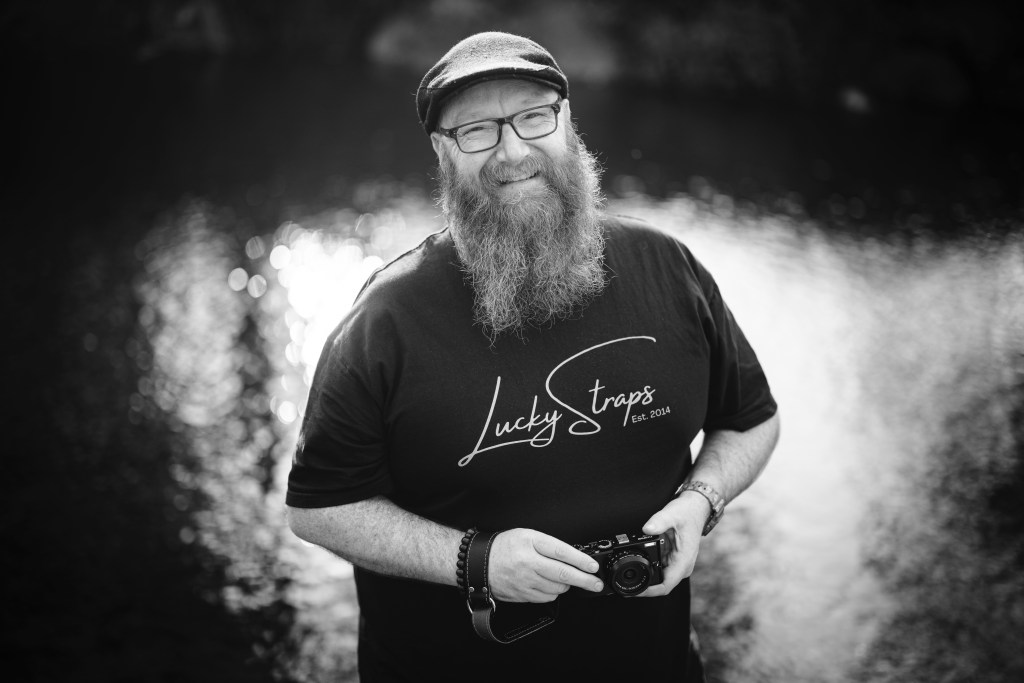
My name is Greg Cromie, and I’m a Melbourne-based photographer, writer, and photography podcast host. As a Melbourne boy, I love nothing more than exploring the streets of one of the world’s most livable cities, its many districts and inner-city suburbs. For over a decade, I’ve been committed to documenting the ever-evolving streets of Melbourne and the human experience of the world around us. I see street photography as an obligation to accurately document what is before it becomes what was. As a writer, I have written hundreds of articles covering every aspect of photography, from my personal experiences and travels to how-to guides, product testing and reviews. Along with Justin Castles (founder of Lucky Straps), I am also a co-host of The Camera Life Podcast, a live-to-air photography podcast. Be sure to check out The Camera Life on YouTube or on your favourite audio podcast platform. The Camera Life Podcast is proudly brought to you by Lucky Straps – makers of premium, Australian-made, leather camera straps.