
In 2022, I developed a neurological spinal condition that resulted in two years of chronic pain, opioid management, surgery delays, emergency room visits, spinal surgery, and almost a year of recovering and getting off the opioids. I didn’t pick up a camera or type more than a few texts at that time. I thought I would never pick up a camera again, let alone continue my story here. The opioid and pain-induced fog made me believe that my days as a creative person were over. Anxiety flooded me with questions of what the future holds and how on earth I was to reinvent myself and work. Actually, that stress and the enduring pain had me believe that I would never get better – let alone get over opioid dependency. It was a pretty rough time, and I’ve had some rough times in the past, but this was very incapacitating. If it hadn’t been for the support of my partner, the kids, and my family, I think I would have gone completely insane.

Fortunately, I have rediscovered the light – not in the religious sense. I recovered from surgery, and it took almost a year to slowly whittle down the opioid doses to the point where I am now completely free of them. Yes, I still have some niggling pain issues, but I’m dealing with those in alternative ways. Rediscovering the light relates to my journey of picking up a camera and writing again. One day in February, I grabbed my camera and headed out the door and into the light. I felt elation, pride, and absolute joy to discover that I hadn’t lost the knack. Moreover, that joy extended into realising that my creative brain still worked, and I could write about my experience. And now I am writing for work too! I decided to document how I rediscovered the light, and you can read all of those entries in full via the links below.
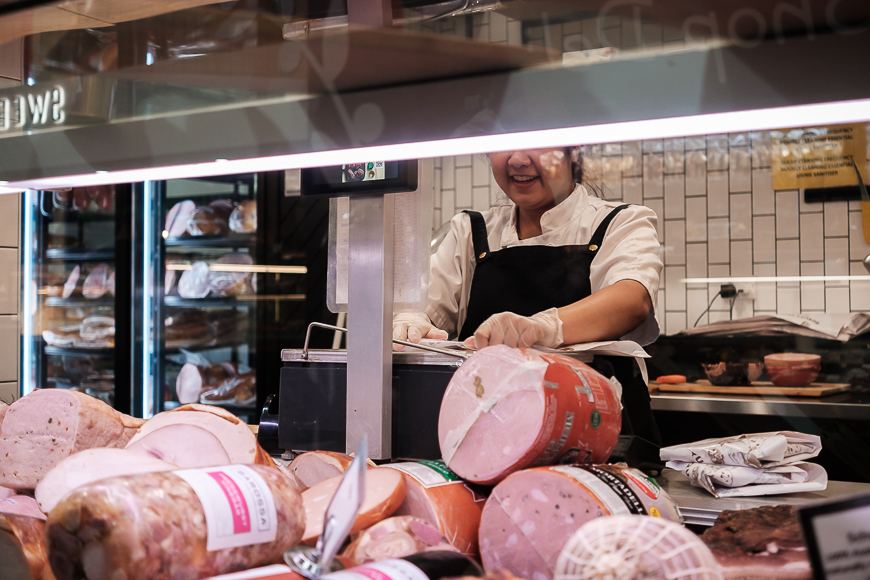
I documented this journey for several reasons. Firstly, I had such great energy and motivation about returning to photography that I needed to tell everyone. After two years of fog, I wanted to shout from the rooftops that I was back and it would be ok. Secondly, I’ve missed writing to understand how I operate and document my experiences. Finally, I hope that if others had similar experiences with illness or injury impacting their creative journey, that sharing my experience may help in some way. If only to make them feel they are not alone in that process.

This is the final entry in the Rediscovering The Light blog series. I wanted to summarise the past five blogs for easy reference and tie a neat bow in the journey. This is not the end of my journey, but I think moving forward, I will return to writing about specific events, gear, and other experiences as they come along.
Rediscovering The Light – The Gear
In Rediscovering The Light – The Gear, I discussed what led me to move from larger Canon gear to Fujifilm X Series cameras and lenses. The bulkier and heavier DSLR gear nearly robbed me of the joy of photography, given how much it hurt my back and neck. Moving to Fujifilm saw my kit’s size and weight shrink dramatically. Fortunately, today, I still find that the Fujifilm gear is entirely comfortable to work with and presents no barrier to getting back in the game. I’m currently sporting a Fujifilm X-E4 and love this little gem’s sleek design, minimal weight, and overall performance and image quality. The manual command dials, tilting screen, discreet design, and ability to carry handheld make it an ideal street and travel camera.

I work with three Fujifilm lenses, including the Fujifilm XF 16mm f/2.8, XF 23mm f/2, and 27mm f/2.8. These lenses are tiny compared to most Fujifilm and other branded lenses. I also still have my beloved Fujifilm X70 – one of the earliest and smallest Fujifilm X Series cameras. It’s a great little street shooter with an excellent fixed 18mm f/2.8 lens. It’s also important to note that I’m not carrying all this gear simultaneously. I’ve found great satisfaction in walking out the door with one camera and one lens – a spare battery at most. I’ve learned much about my photography processes by working with what I have. It’s incredibly liberating, and I highly recommend it.

Rediscovering The Light – The Community
In Rediscovering The Light – The Community, I talk about the importance of community for photographers. Regardless of your photography genre, getting involved with a community of like-minded creatives forms a big part of personal development. As a street and travel photographer, I tend to work alone. I move through the streets following the light and shadow, seeking out compositions and those moments in time where people interact with their world. However, that does not mean I don’t work well with others. Most of my friends are photographers; we often talk shop, help each other out, or are members of the same online communities.

I’ve been a Fuji X Aus Facebook community member since around 2015 and have met amazing people and creative minds alike. We’ve attended meet-ups for street walks, landscape outings, and road trips. Being an online community means that there’s a 24-hour support group. Moreover, it’s a healthy community where everyone is respectful, supportive and encouraging. And then, of course, there’s the community of creative people I work with. They’ve been incredibly supportive during my time off and eagerly welcomed me back when the time was right. Despite what my anxious brain told me, I can’t thank them enough for that assurance.
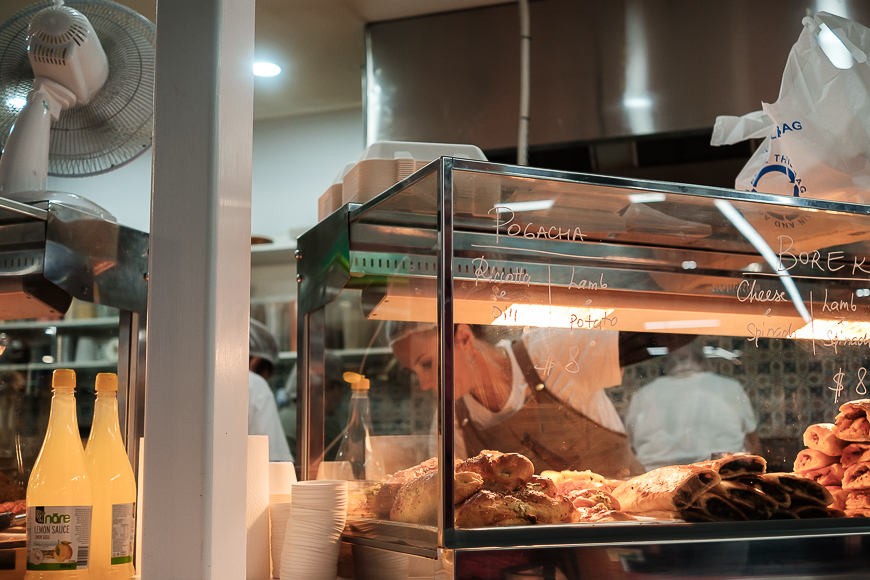
Rediscover The Light – Hunting Light
In Rediscovering The Light – Hunting Light, I talk about my approach to street photography, working with the available light, creating compositions, and being present. I’ve learned that being present is one of the most critical elements of street photography. You have to be there to take the photo, but presence is more about mindfulness and awareness. Plus, I always have my camera in my hand and ready to go. That way, when all the elements of a composition fall into place, I’m prepared to point and shoot at a moment’s notice. Hunting light is also about understanding the lay of the land and relying on my internal sundial to know where the light and shadows will fall. Finally, I watch the world as it moves through time to see where people are heading, who is about to walk into or out of a shaft of light, and who presents as an exciting subject.

Hunting light is something that takes practice and patience. The whole point about being as present as possible is that it trains you to develop an awareness of all the critical elements of a composition, especially in street photography, elements such as leading lines, light shafts, shadowy doorways, interesting buildings in the background, street art, and how people are dressed. It all plays a part in seeing the moving pieces converge for a brief moment in time and space. A time that won’t ever be repeated with the same moving pieces as they come together and then disperse. Eventually, it becomes second nature, and even when walking without a camera, I tend to constantly hunt light and frame compositions in my mind.
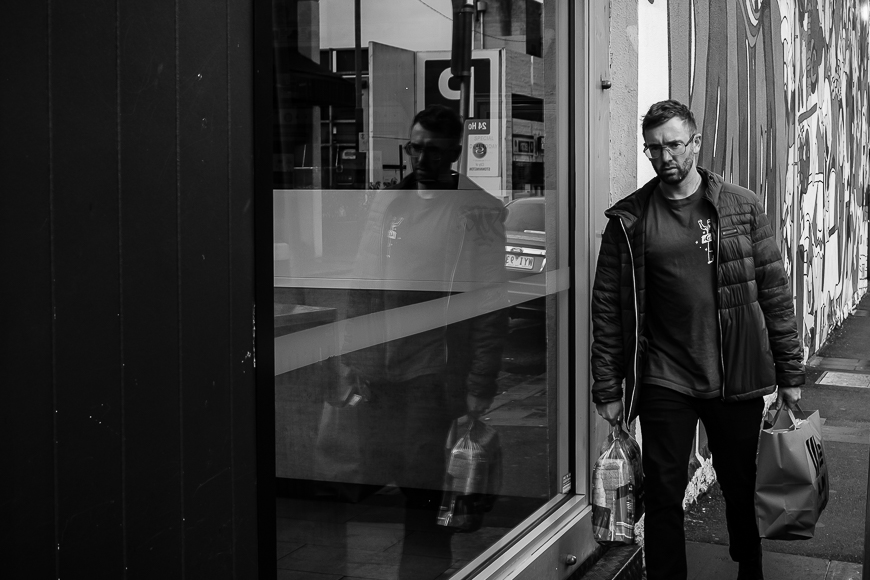
Rediscovering The Light – Controlling Time And Light
In my article Rediscovering The Light – Controlling Time and Light, I cover my approach with camera settings and the all-important exposure triangle. Understanding how a camera sees and records light is a crucial skill to develop as a photographer. Don’t simply switch to AUTO and leave it up to the camera to work out. Take the time to understand the Exposure Triangle and how it influences the capture of both time and light. The best teacher is hands-on experience, and I always recommend that people get out with their camera and see what effects they get with different apertures, ISO and shutter speed settings. Go out at night, shoot in a dark room, get out in full daylight. At the end of the day, sit down and review your images and study the settings to understand what you achieved with which settings.
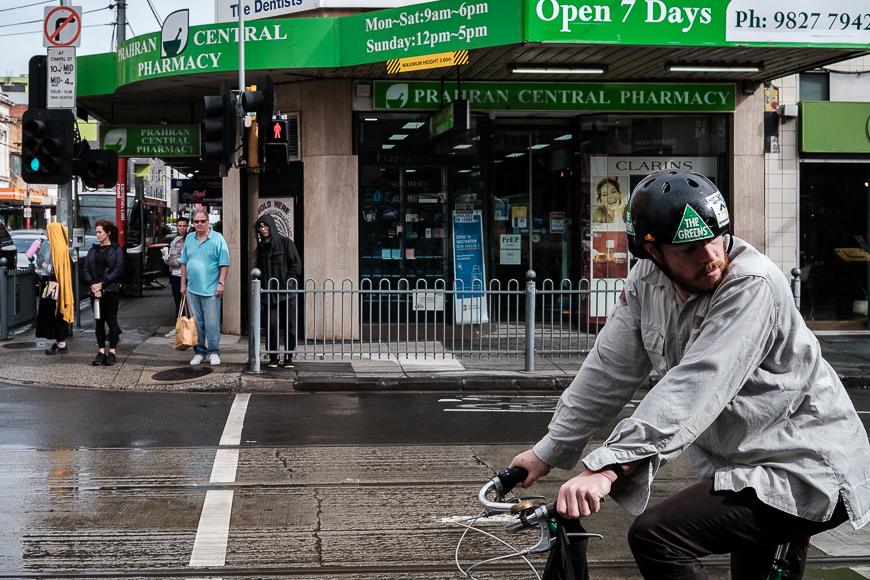
Another critical element in controlling a camera to correctly capture time and light is keeping it simple. Don’t rely on burst or continuous modes, don’t opt for exposure bracketing, avoid Auto ISO, and don’t stop to check every shot you take after the fact. Leave that to the end of the day, and just enjoy the processing of using the camera. You want to become so familiar with the camera that you can change key settings instantly without even looking down at the camera. Be prepared for the shot before you even know it will happen. You want to be ready and waiting in that brief moment of convergence.
Rediscovering The Light – My Rulebook
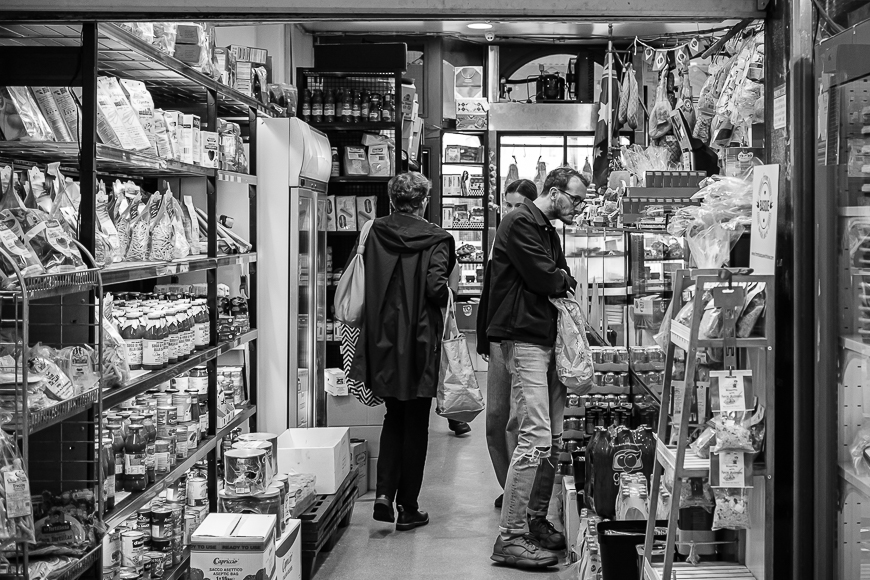
In my final instalment, Rediscovering The Light – My Rulebook, I talk about the legal and moral rules I adhere to as a street photographer. I do so to keep myself and my community safe. I typically walk and shoot in the suburb I reside in. The last thing I want is to upset locals with suspicious behaviour or questionable choices. The laws around photography in public places are different all over the world. In Australia, you can freely take photos of other people in a public space. Despite what many people may believe, the public has no right to demand you delete or stop taking pictures. And as I mentioned in the article, just because it’s legal doesn’t always mean it’s morally correct.

I have personal rules or standards to apply to my street photography work. They guide me with who and what I can and should photograph. They also work to keep me safe from persecution and accusations. In my local area, there are a lot of people who live rough on the streets. I hate conflict, and I don’t need someone screaming in my face threateningly when I’m carrying an expensive camera. It’s also worth mentioning that sharing that original article raised some healthy debate and opinions in my photography communities. People shared their views on how they approach photographing people on the street and the challenges they have faced.

Final Thoughts
I’ve thoroughly enjoyed documenting my experience and journey in getting back out there with a camera and an intent to do what I love the most. What’s more, it’s been such a relief to discover that I have retained the skills and knowledge required and still love what I do. I’ve been a creative type my whole life. But it’s scary to feel like you’ve lost that forever. I can’t explain the elation I felt when the fog lifted, and I was overflowing with creative ideas and a desire to write about it. I also want to thank you for reading along on this journey and for the support and positive feedback I’ve received. It means the world to have the support of my community and know that people are interested in my experiences. I hope that, in return, you learn a thing or two and put some things in place to challenge your own creative brain. Above all else, get out there with a camera and just be in the moment and absorb the joy of photography. G


3 Responses to Rediscovering The Light – A Photographer’s Story
Enjoyed reading this series and your peocesstotally. totally agree with your comments about having a photography community.
LikeLike
I am extremely glad you overcame and returned. I will write you a message another time, but for now I just want to say that your story is uplifting and inspiring.
LikeLike
Thanks so much David. That means a lot.
LikeLike