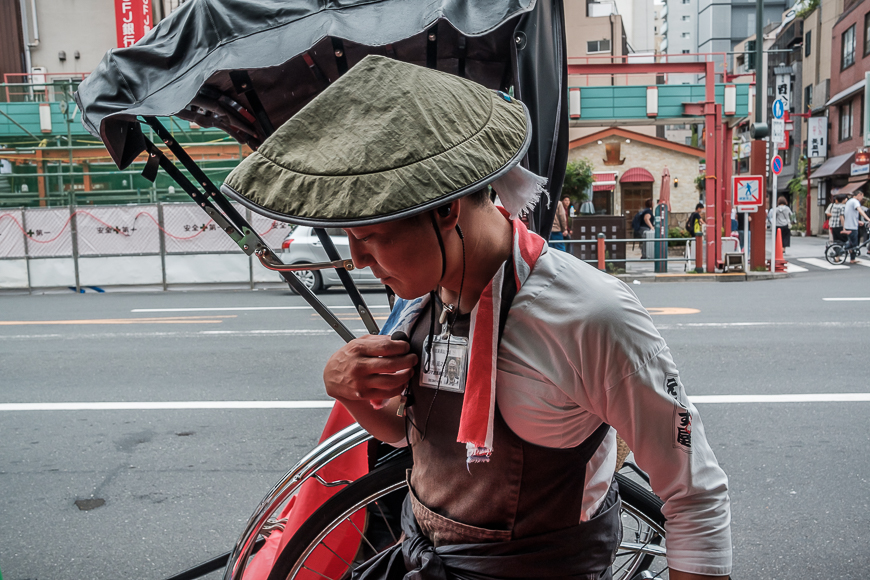
Welcome back to my current blog series, where I explore my love of photography. I also use this blog to document my thought process, practical applications, and methodology behind my approach. I’ve covered a number of topics already in this series, with the most recent covering the camera settings I apply when I shoot street photography. You can check out that entry here – Rediscovering The Light – Controlling Time And Light. I was forced to take a two-year break from photography due to poor health. Now that I’m well again I’ve been getting out and about a lot with my cameras. I work with a Fujifilm X-E4 and the Fujifilm XF 16mm F2.8, XF 23mm F2, and XF 27mm F2.8. I also shoot with my beloved Fujifilm X70 with its fixed 18.5mm F2.8 lens. You can read more about my preferred gear here.

We are coming to the end of this blog series as today’s entry, My Rulebook, is the last main entry. I will be writing up a summary of the series to provide an easily digestible version. It’s not just to flesh out another blog but more to act as an education guide to other photographers. Perhaps you’ve been in a photography rut or have also had to take a prolonged break. I always hope that my articles provide insight and that everyone takes something away to aid in their creative pursuit. In today’s article, I want to talk about the legalities and moralities of street photography. As we move further into a world where privacy concerns, data breaches, and identity theft are on the rise, it’s important to consider the implications of photographing other people. Let’s get stuck into it then!
Let’s Talk About The Legalities
I’ve seen lots of videos on social media lately where people whip out their phones to record a dispute. Either as a witness or as someone involved in the argument. Then the argument inevitably turns to: “You have no right to record me!”, “But you’re recording me!”, “But I don’t give you permission to record me”, “I don’t need your permission!”, “Yes, you do! I know my rights!”. The reality is that most people don’t know their rights when it comes to being recorded or photographed. Plus, what we see happening in countries where everyone ‘knows their rights’ doesn’t always apply to the places where we live or visit.
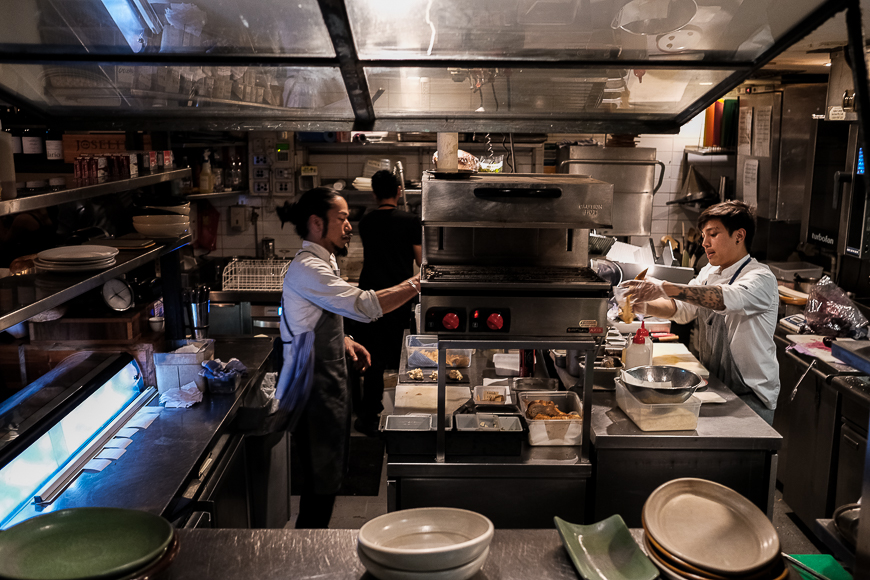
As a street photographer, I often get asked if people tell me not to photograph them. Or, people insist that I delete the image that they believe they are in. I’ve only ever had one incident where I was out on a street walk in South Yarra, and someone took the legal line of “I know my rights”. I was standing on one side of a public street, and on the other side was an interesting building under development. In front of the building were two people in hi-vis directing traffic around the construction site. I was at least six or seven meters away from them and the scene I was interested in. So I took some shots with my Fujifilm X70 – hardly a big intrusive paparazzi camera. One of the traffic controllers strolled up to me and asked what I was doing. I explained that I take photos of street scenes around the local area. He nodded in agreement and asked what the photos were for. I explained that I’m a photographer and I take photos to then upload onto my personal social media accounts. He said ok and wandered back to his post.

I noticed that the two had a brief conversation before the second worker approached me and insisted I delete any photos of her. She went on to confidently explain that I am not allowed to photograph people without their permission. I began to explain that was not correct; however, I would delete the photos. It was no great loss to me, and I don’t like conflict much at all. However, she wasn’t satisfied and again lectured me on the law. I pointed out that I’m a professional photographer, and as a result, I have to know the laws as they affect my work. If anyone was likely to know photography in public law, it was me. And, I assured her, I was well within my rights to stand in a public space and take photos of whatever I wanted. I was polite but a little pissed with her attitude. I assured her I would delete the photos and wandered away. I did delete the photos as I feel it is the right thing to do – more on that later.
What Is The Law In Australia?
Currently, in Australia, there is no law requiring a photographer to seek permission to take a photo of someone out in public. What’s more, as long as you are on public land, you can also photograph people within a private location. Finally, no publicity or personality rights exist in Australia, and there’s no right to privacy that protects a person’s image. In essence, it’s perfectly legal for me to be standing on a public street or footpath and take photos of other people without their knowledge or permission. There are some tricky elements to the laws that are well outside of my area of expertise. I’ve referenced the Arts Law Australia website for clarity on the matter and recommend you do, too, if you live in Australia. For those of you living or working outside of Australia, I can only recommend to do your homework and understand what you can and can’t do as a street photographer.

The Morality Of It All
So that’s where the law stands – in a nutshell. However, just because it’s legal doesn’t make it right. I believe that street photographers also have moral responsibilities when taking photos. I don’t necessarily mean the stifling kind that restricts and chokes creative freedom. I’m referring to a personal code of morals that guides my choices and conduct when out and about with my camera. There are some elements of society that I don’t need to document. Other elements are not appropriate. Or they make me uncomfortable and raise concerns for my own safety. Here are a few of the street photography rules I play by:
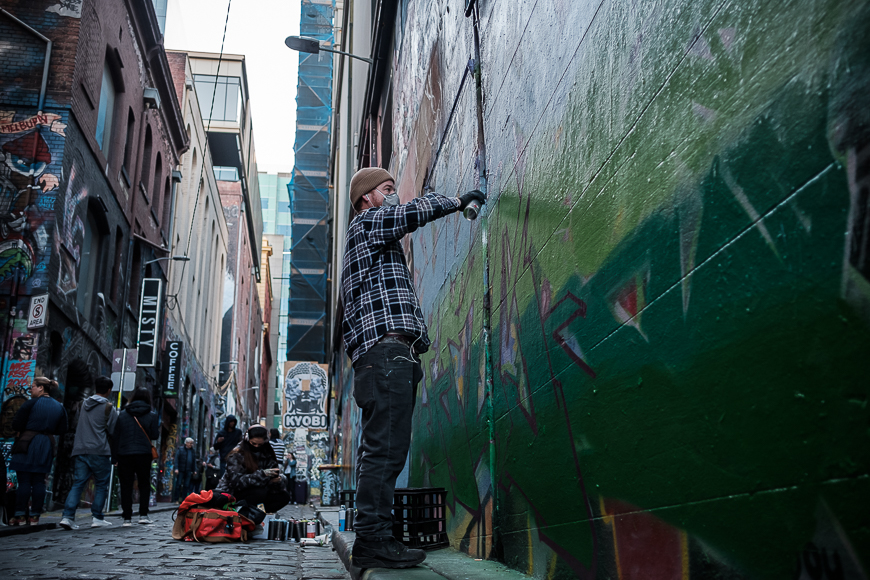
What About The Children?
I don’t photograph children in street scenes. Adults walk around in public knowing that they are on view and that, as a result, their images may be captured by photographers, vloggers, people taking selfies, dash cams, and security cameras. Every adult gives informal consent to being recorded in some way or another simply by choosing to be out in public. Children, on the other hand, don’t have that same level of understanding, nor do they give consent. I know that the parents are giving consent on the kids’ behalf, but it’s not the same. Plus, I’m a parent and would be concerned if someone was walking around the streets taking photos of my kids or anyone else’s.
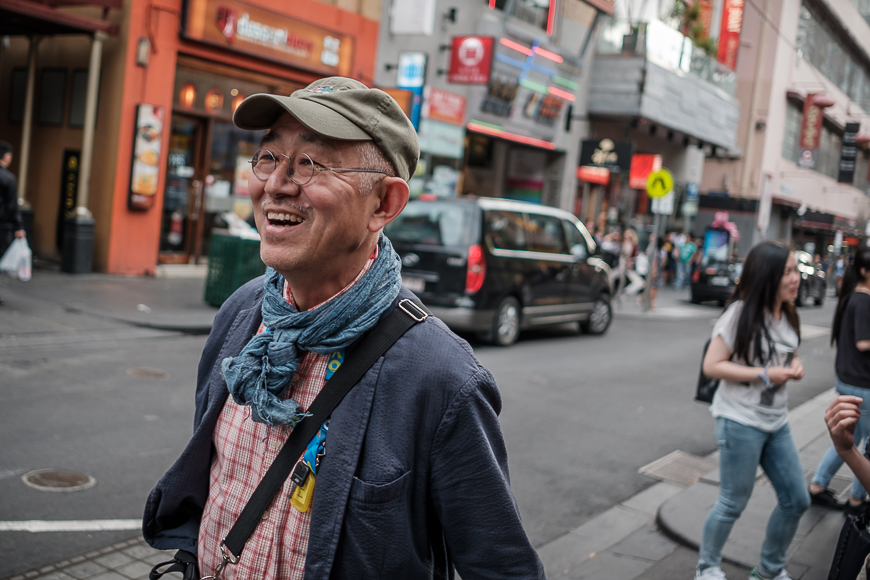
I apply the same rule if any schoolchildren in uniform are walking through the scene. There’s too much darkness and social outrage around children and photography. And rightly so. The last thing I want is for a family to be concerned that I took their child’s photo. Or for anyone to question my integrity or intent in photographing children. So I don’t. But I’m still standing there with a camera in my hand. So I tend to stop and hold the camera against my chest with the lens pointing down. I’m not trying to hide it. If anything, I’m trying to demonstrate that, yes, I have a camera, but I have no intention of photographing anything right now.

Rough Sleepers
Photographing people who live rough on the streets is another questionable topic for me. Generally speaking, I won’t unless I’m purposely documenting street scenes where living rough is a core element of the narrative. I know that sounds like double standards. If people are living on the streets or occupying an area, and they are clearly affected by drugs, alcohol, mental health, or abuse, then I won’t photograph them. However, If I photograph a busy street scene with people rushing back and forth, and in the background, there’s a person wrapped in a blanket and asleep on the ground, I may photograph that scene. I consider it to be documenting the disparity between social classes and situations. Once again, I need to be considerate of their situation and circumstances. Plus, getting on the wrong side of someone who’s affected by drugs, alcohol, or otherwise is a bad idea.
Can You Delete That Please?
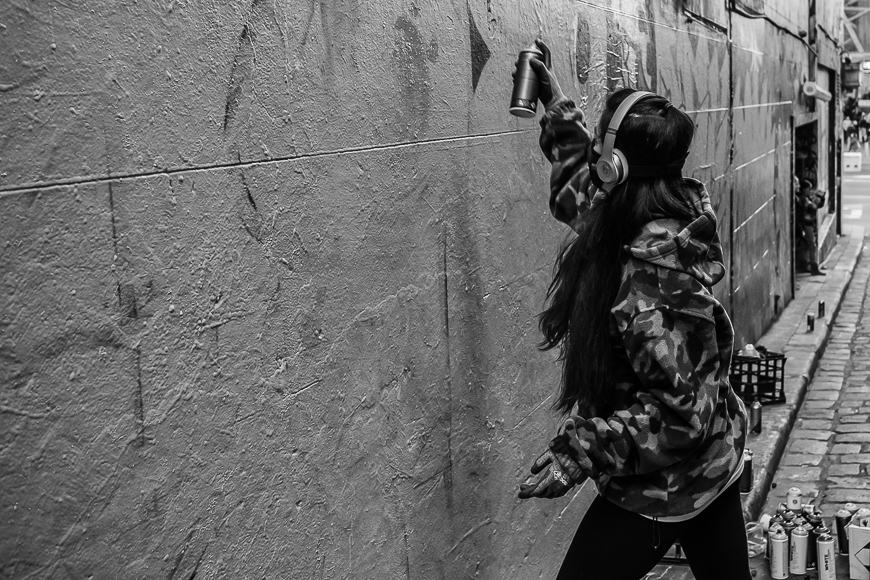
As mentioned in my earlier example, I’ve had people ask me to delete images plenty of times. Almost always, the request is polite, and I very quickly assure the person that I will or have deleted it. In some cases I even show them as I delete the image to set their minds at ease. I will always back up my actions by explaining that I am a street photographer and so I document people interacting with the world around them. I assure them that I don’t use the images for commercial or news sites. Most of the time, I don’t get much further than that before the person thanks me and moves on with their day. When I edit my photos, if I notice that a person has raised their hand to cover their face, I will delete that image too. I guess I work to keep my moral radar on at all times.
Everybody Say Cheese
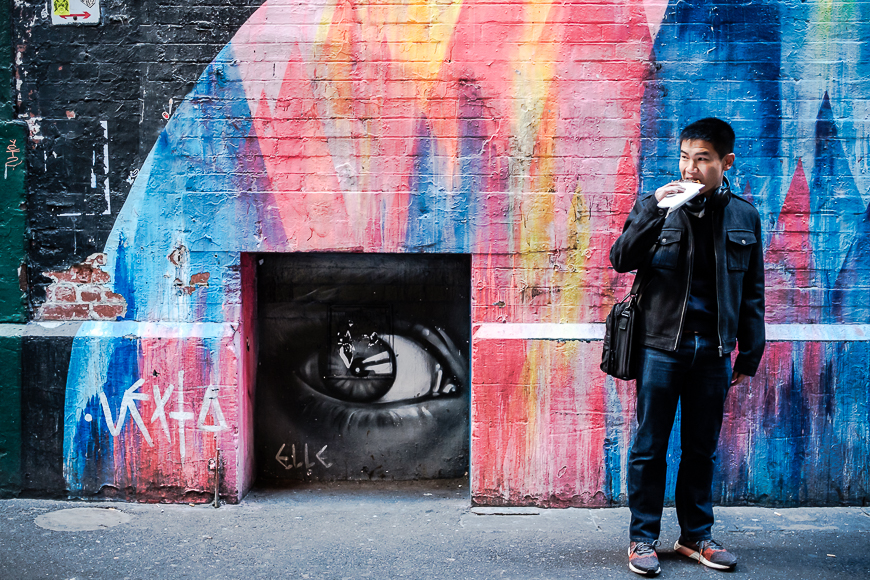
If you’re at all familiar with my photography style, you’ll know that with my street, documentary, and travel shots, I never ask people to pose. I focus on capturing the natural and unscripted interactions between people and the world around them. To me, asking someone to smile or change their position goes against my brief. If it didn’t occur naturally, then it’s not the style of shot I want to take. It’s also the reason why I don’t first ask permission before I take someone’s photo. That and I’m an introvert. It defeats the purpose and why I do what I do.

What About Japan?
There are people everywhere with cameras in Japan – locals and tourists. And who can blame them, it’s bloody gorgeous with so many photo-worthy opportunities everywhere you look. Again, I’m not a legal expert, however as it stands, taking street photos in Japan is legal. However, from what I’ve researched, if the person in the photo finds that you’ve published their image somewhere, there’s the potential for a civil case. There’s a slim chance of that ever happening. However, it is worthy of consideration. I’ve never had an issue or been called out for taking street shots in Japan.

More recently, Kyoto has implemented further bans on street photography. There were already some restrictions in place especially in streets where Geisha resided and worked. It turns out that tourists were flocking to the area to see, interact with, and photograph the Geisha. They’ve tightened those restrictions recently as the frenzy for Geisha sightings reached harassment level, and so the Kyoto government stepped in and said, “No more Geisha for you!”. I think that’s a fair outcome, even though I’m disappointed.

Final Thoughts
As I’ve already made clear, I’m no lawyer, but I think knowing my basic rights gives me assurances that I’m both allowed and ok to be doing what I do. Taking photos without people’s consent is often a prickly question or topic among photographers. Everyone has a different moral and ethical viewpoint on it. Some think it’s creepy or even unethical. I love what I do, and I undertake my craft with no ill intentions towards anyone. I have a rulebook and a set of clear morals that I hold myself accountable to. I am a street photographer, and I document how people interact with their world at that precise moment in time.
 Greg Cromie Photography
3 Responses to Rediscovering The Light – My Rulebook
Well done Greg. I appreciate your input and work
LikeLiked by 1 person
Nicely done. I agree with everything said here. I don’t do street, but I do see where things can be in gray areas but having a clear understanding and personal rules is critical.
LikeLiked by 1 person
Thanks mate.
LikeLiked by 1 person